

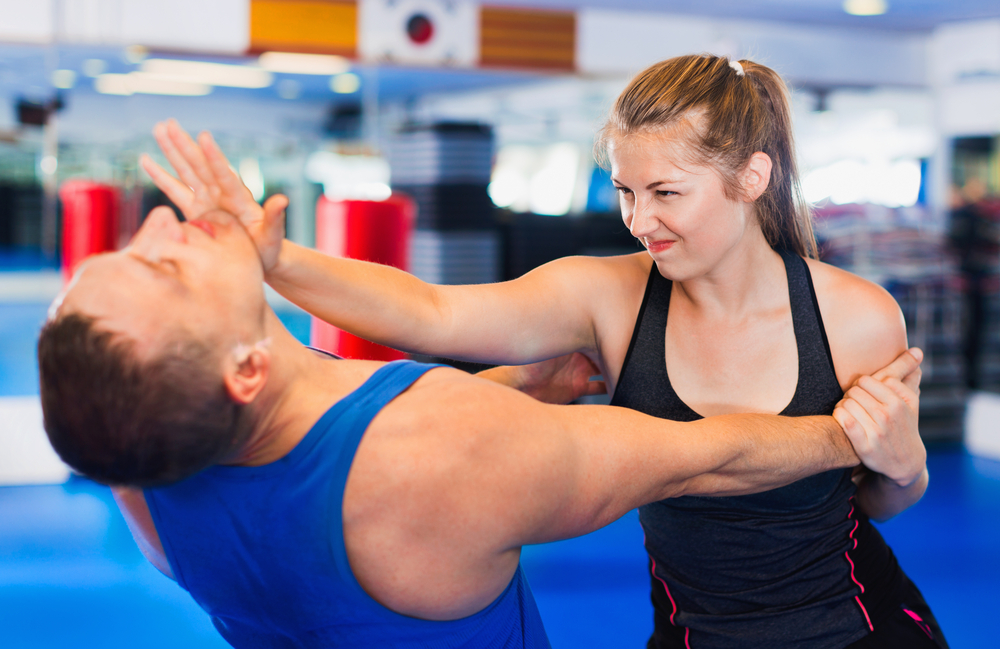
Feeling safe in public spaces is something every woman deserves. Yet, many women still feel uneasy when walking alone, using public transport, or visiting crowded places. This is where self-defense training becomes more than just a skill—it becomes a source of confidence and control.
Self-defense is not only about fighting back. It is about awareness, quick thinking, and knowing how to protect yourself in real-life situations. Training helps women trust their instincts, move with confidence, and react when something feels wrong.
Many women turn to systems like Krav Maga, Brazilian Jiu-Jitsu, and Muay Thai to learn practical techniques. These methods focus on simple, effective moves that anyone can learn.
Why Self-Defense Matters for Women Today
Understanding Everyday Safety Risks
Daily life comes with small risks that are easy to ignore. Walking through a parking lot, waiting for a ride, or using public transport can feel normal—but these moments can also make women feel vulnerable.
Self-defense training teaches women how to spot danger early. It helps them notice things like unusual behavior, unsafe surroundings, or people acting suspiciously. This awareness is often the first step to staying safe.
Learning about real-life situations prepares women for what could happen. It replaces fear with knowledge.
Building Confidence Through Awareness
Confidence grows when you know what to do. Self-defense training gives women a sense of control over their environment.
Instead of feeling unsure, women start to walk with purpose. They make eye contact, stay alert, and carry themselves differently. This kind of body language can even discourage potential threats.
Programs often include techniques from Kickboxing and Taekwondo, which improve both mental strength and physical readiness.
Breaking Common Myths About Self-Defense
Many people think self-defense is only for strong or athletic individuals. That is not true.
Self-defense is about smart moves, not strength. It focuses on quick escapes, using your surroundings, and targeting weak points.
Another myth is that self-defense means fighting. In reality, the goal is to avoid danger and escape safely. Training teaches when to act and when to walk away.
Basic Self-Defense Techniques Anyone Can Learn
Simple Moves That Don’t Require Strength
Self-defense techniques are designed to be easy and effective. Women learn how to use leverage instead of force.
For example, moves from Krav Maga focus on fast reactions and simple strikes. These techniques work in real-world situations and do not require years of training.
The goal is to create enough space to escape.
How to Escape From Common Holds
One of the most useful skills is learning how to break free from grabs. Training shows how to escape wrist holds, bear hugs, and other common situations.
Techniques from Brazilian Jiu-Jitsu teach women how to use body positioning and balance to get out of difficult situations.
These moves are practical and can be used by anyone, regardless of size.
Using Your Voice and Body Language
Your voice is a powerful tool. Self-defense training encourages women to speak loudly and clearly when they feel threatened.
Shouting commands like “Stop” or “Stay back” can attract attention and scare off an attacker.
Strong body language also plays a key role. Standing tall, walking confidently, and staying alert can prevent many situations before they start.
Staying Safe in Public Places
Tips for Walking Alone at Night
Walking alone at night can feel stressful. Self-defense training teaches simple habits that improve safety.
Women learn to stay in well-lit areas, avoid distractions like phones, and keep their hands free. Awareness of surroundings becomes second nature.
These habits reduce risk and increase confidence.
Using Public Transport Safely
Public transport can be crowded and unpredictable. Self-defense training helps women stay alert in these environments.
Choosing a seat near other people, avoiding empty areas, and being aware of exits are simple but effective strategies.
Training also prepares women to respond if someone invades their personal space.
What to Do If You Feel Followed
Feeling followed is a common fear. Self-defense training provides clear steps for handling this situation.
Women learn to trust their instincts, change direction, and move toward safe, crowded areas. If needed, they can ask for help or enter a nearby store.
The key is to act quickly and confidently.
Self-Defense Tools and When to Use Them
Everyday Items You Can Use for Protection
Self-defense is not limited to physical techniques. Everyday items can also help.
Keys, bags, and even a phone can be used to create distance or attract attention. Training teaches how to use these items safely and effectively.
The focus is always on escape, not confrontation.
Understanding Legal Self-Defense Tools
Some women choose to carry tools like personal alarms or pepper spray. These tools can add an extra layer of protection.
However, it is important to understand local laws and proper usage. Training often includes guidance on when and how to use these tools responsibly.
Knowledge ensures safety without unnecessary risk.
When Tools Help and When Awareness Matters More
Tools can be helpful, but they are not always available. Awareness and quick thinking are more reliable.
Self-defense training for women emphasizes prevention first. Recognizing danger early and avoiding risky situations is often the best defense.
Tools are a backup, not the main solution.
Mental Preparedness and Awareness
Trusting Your Instincts
Instincts are powerful. Many women sense danger before it becomes obvious.
Self-defense training encourages women to listen to these feelings. Acting early can prevent many dangerous situations.
Ignoring instincts often leads to regret, while trusting them builds confidence.
Reading Situations Quickly
Being able to assess a situation quickly is a key skill. Training helps women notice small details, like body language or unusual behavior.
This awareness allows them to make better decisions in the moment.
Quick thinking can make a big difference in staying safe.
Avoiding Risky Scenarios
Not every situation needs a reaction. Sometimes, the safest choice is to avoid risk altogether.
Self-defense training teaches women how to recognize unsafe environments and leave early.
This proactive approach reduces the chance of danger.
Learning Self-Defense as a Beginner
Choosing the Right Class or Training
Starting self-defense training can feel overwhelming, but it does not have to be.
Women can choose beginner-friendly classes that focus on real-life situations. Many programs include techniques from Muay Thai and Krav Maga for practical learning.
The key is to find a comfortable and supportive environment.
Practicing at Home Safely
Practice helps build confidence. Simple drills can be done at home to improve reaction time and muscle memory.
Even practicing awareness—like observing surroundings—can make a difference.
Consistency is more important than intensity.
Staying Consistent Without Pressure
Learning self-defense is a journey. Progress takes time, and that is okay.
Women should focus on small improvements and stay consistent. Regular practice builds both skill and confidence.
There is no need to rush.
Self-Defense for Different Situations
At Home Alone
Being alone at home can feel vulnerable. Self-defense training teaches women how to secure their space and respond to unexpected situations.
Simple habits like locking doors and staying alert can improve safety.
While Traveling or in New Cities
Traveling alone is empowering, but it also requires awareness.
Self-defense skills help women stay safe in unfamiliar places. They learn to plan ahead, stay alert, and avoid risky areas.
Confidence makes travel more enjoyable.
In Social Gatherings or Events
Crowded events can sometimes feel overwhelming. Self-defense training helps women stay aware and maintain personal boundaries.
Knowing how to respond if someone behaves inappropriately is an important skill.
Confidence allows women to enjoy social situations without fear.
Conclusion
Self-defense training is more than learning how to fight. It is about building confidence, awareness, and the ability to handle real-life situations.
Women who train in self-defense feel stronger—not just physically, but mentally. They walk with confidence, trust their instincts, and know how to respond when needed.
By learning simple techniques, staying aware, and practicing regularly, women can take control of their safety in public spaces.
In the end, self-defense is not about fear. It is about empowerment, freedom, and living life with confidence.
