

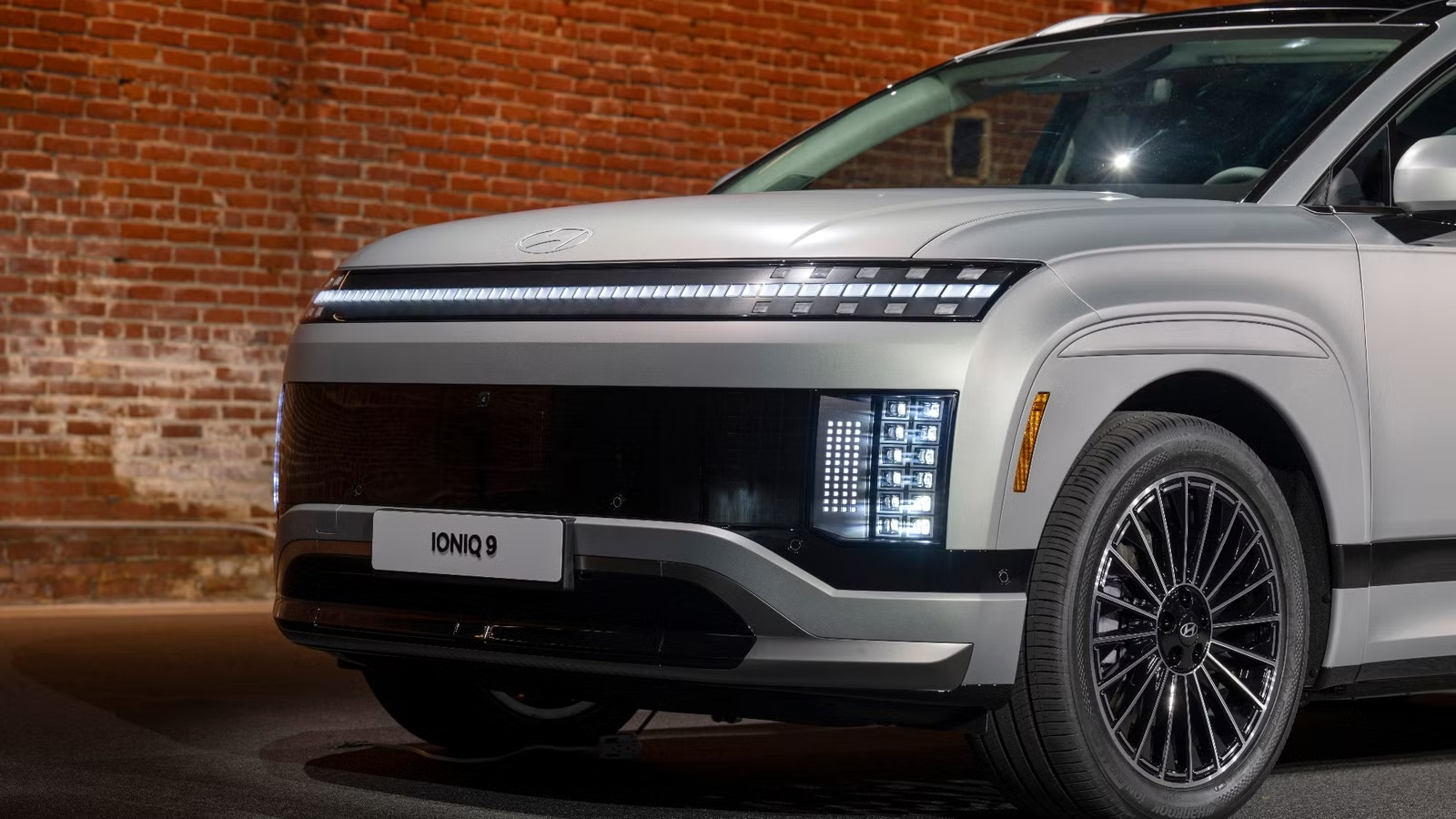
Electric cars are becoming more popular every year. Many people now choose to lease instead of buy. Electric lease deals can be a smart way to drive a new car without paying a large upfront cost.
But not all lease deals are the same. Some may look good at first but include hidden costs. That is why it is important to understand how leasing works and how to avoid overpaying.
Programs like the Federal EV Tax Credit and standards from the Environmental Protection Agency help shape electric vehicle pricing and benefits. Knowing about these can help you get a better deal.
In this guide, you will learn the best strategies to get a reliable electric lease deal without overpaying.
Understanding Electric Lease Deals
What Is an Electric Lease Deal
An electric lease deal lets you use a car for a set time while making monthly payments. You do not own the car, but you can drive it like your own during the lease period.
At the end of the lease, you can return the car or choose another option.
How Leasing an EV Works
Leasing an electric vehicle (EV) is simple. You agree to a contract that includes monthly payments, mileage limits, and lease length.
The payment depends on the car’s value, expected depreciation, and interest rates.
Leasing vs Buying an Electric Car
Leasing often has lower monthly costs than buying. It also allows you to upgrade to newer models more often.
Buying, on the other hand, means you own the car. It may cost more upfront but can save money in the long run.
Benefits of Electric Lease Deals
Lower Upfront Costs
One of the biggest benefits of leasing is lower upfront costs. You do not need a large down payment.
This makes electric cars more accessible to many people.
Access to Newer EV Technology
Electric vehicles are improving quickly. Leasing lets you drive the latest models with better batteries and features.
This is useful as EV technology continues to grow.
Predictable Monthly Payments
Lease payments are fixed. This makes it easier to plan your budget.
You know exactly how much you will pay each month.
Costs and Payments to Consider
Monthly Lease Payments Explained
Monthly payments are based on how much the car loses value over time. This is called depreciation.
The lower the depreciation, the lower your payments.
Mileage Limits and Fees
Most leases include mileage limits. Going over this limit can lead to extra charges.
It is important to choose a plan that matches your driving habits.
Insurance and Maintenance Costs
You will still need insurance for a leased car. Maintenance costs may also apply.
However, electric cars often have fewer maintenance needs compared to gas vehicles.
Electric Vehicle Incentives and Savings
Government Tax Credits and Rebates
Incentives like the Federal EV Tax Credit can lower the cost of leasing.
In many cases, these savings are included in the lease deal, reducing monthly payments.
Energy Savings Compared to Gas Cars
Electric vehicles cost less to run. Charging is usually cheaper than buying gas.
This helps save money over time.
Long-Term Cost Benefits
Lower fuel and maintenance costs make EVs more affordable in the long run.
These savings add to the value of leasing.
How to Choose the Right Electric Lease Deal
Comparing Different Lease Offers
Always compare multiple offers before making a decision. Look at monthly payments, terms, and total cost.
This helps you find the best deal.
Understanding Contract Terms
Read the lease agreement carefully. Pay attention to details like mileage limits, fees, and lease duration.
Clear understanding prevents surprises later.
Checking Hidden Fees
Some deals include hidden fees. These may include charges for wear and tear or early termination.
Ask questions and make sure everything is clear.
Electric Lease Deals for Different Needs
Personal Use and Daily Driving
If you drive daily, choose a lease with enough mileage allowance.
This avoids extra charges and keeps costs under control.
Business and Fleet Leasing
Businesses often lease multiple vehicles. This helps reduce costs and keep fleets updated.
Leasing also offers flexibility for business needs.
Short-Term vs Long-Term Leasing
Short-term leases offer flexibility. Long-term leases may have lower monthly payments.
Choose based on your lifestyle and plans.
Common Mistakes to Avoid
Ignoring Mileage Limits
Not paying attention to mileage limits can lead to extra costs.
Always estimate your driving needs before signing a lease.
Not Reading the Fine Print
Skipping the details can cause problems later. Always read the full agreement.
Understanding the terms protects you from unexpected charges.
Choosing the Wrong Lease Term
A lease that is too short or too long may not fit your needs.
Choose a term that matches your driving habits and plans.
Future of Electric Leasing
Growth of Electric Vehicles
Electric vehicles are becoming more common. Many drivers are switching to EVs for environmental and cost benefits.
Organizations like the Environmental Protection Agency support cleaner transportation.
Advances in Battery Technology
Battery technology is improving quickly. Newer models offer longer range and faster charging.
Leasing allows you to take advantage of these updates.
Increasing Availability of Lease Options
More electric models are available now. This gives you more choices when leasing.
Competition also helps improve pricing and deals.
Conclusion
Getting a reliable electric lease deal without overpaying is possible with the right approach. It starts with understanding how leasing works and knowing what to look for.
By using incentives like the Federal EV Tax Credit, comparing offers, and reading contracts carefully, you can avoid common mistakes.
Electric lease deals offer flexibility, lower upfront costs, and access to new technology. When chosen wisely, they can be a smart and affordable way to drive an electric vehicle.
In the end, the key is to stay informed, ask questions, and make decisions based on your needs. This helps you enjoy the benefits of electric driving without paying more than you should.
