

When a child keeps getting sick, parents often worry. A cough that won’t go away, slow weight gain, or frequent chest infections can feel confusing. Sometimes, these signs point to a condition called Cystic Fibrosis.
Cystic fibrosis (CF) is a genetic disease. It affects how the body makes mucus. Instead of being thin and slippery, the mucus becomes thick and sticky. This can block the lungs and digestive system.
The good news is that early testing can help. When doctors find CF early, they can start treatment sooner. That can make a big difference in a child’s health and daily life.
What Is Cystic Fibrosis?
How It Affects the Lungs and Digestion
Cystic fibrosis mainly affects two parts of the body: the lungs and the digestive system.
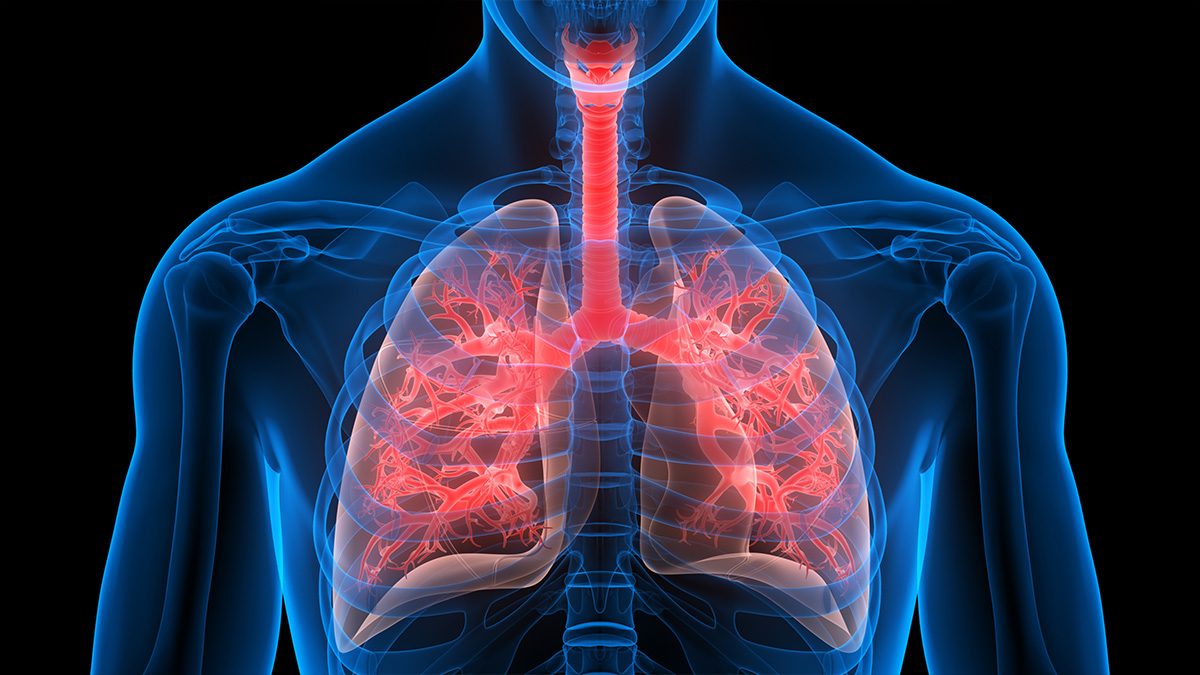
In the lungs, thick mucus can block airways. This makes it hard to breathe and easier for bacteria to grow. Over time, this can lead to infections.
In the digestive system, mucus can block enzymes from the pancreas. These enzymes help break down food. Without them, the body can’t absorb nutrients well.
Why It Happens in the Body
CF happens because of a change in a gene called the CFTR gene. This gene controls how salt and water move in and out of cells.
When the gene doesn’t work right, the body makes thick mucus instead of thin fluid. This is what causes the main problems in CF.
Early Signs and Symptoms to Watch For
Symptoms in Babies and Children
Some signs of CF show up soon after birth. Others appear later. Here are common early symptoms:
- Frequent coughing or wheezing
- Thick mucus in the chest
- Trouble gaining weight, even with good feeding
- Greasy, bulky stools
- Salty-tasting skin
Many parents first notice that their baby isn’t growing as expected. This is because the body isn’t absorbing nutrients properly.
Symptoms That Show Up Later in Life
Some children may not show strong symptoms right away. As they grow, other signs may appear:
- Repeated lung infections
- Shortness of breath during play
- Constant sinus problems
- Tiredness or low energy
These signs can be mistaken for asthma or allergies. That’s why proper testing is important.
What Causes Cystic Fibrosis?
Understanding the Genetic Link
CF is passed down from parents. A child must get one faulty gene from each parent to have the disease.
If both parents carry the gene, there is a chance their child will have CF.
How CF Is Passed from Parents to Children
Parents who carry one faulty gene usually don’t have symptoms. They are called carriers.
When two carriers have a child:
- There is a 25% chance the child will have CF
- A 50% chance the child will be a carrier
- A 25% chance the child will not have the gene at all
Understanding this can help families plan and decide on testing.
How Doctors Diagnose Cystic Fibrosis
Newborn Screening Tests
In many places, babies are tested for CF shortly after birth. This is called newborn screening.
It involves a simple blood test. If results are unclear, more tests are done.
Sweat Test and Other Confirmations
The most common test for CF is the Sweat Test.
This test measures how much salt is in the sweat. People with CF have higher salt levels.
Doctors may also use genetic tests to check for changes in the CFTR gene.
Treatment Options and Daily Care
Medications That Help Manage CF
There is no cure for CF, but treatment can help manage symptoms.
Doctors may prescribe:
- Antibiotics for infections
- Mucus-thinning medicines
- Special drugs that target the CFTR gene
These treatments help keep the lungs clear and reduce infections.
Airway Clearance and Breathing Support
Children with CF often need help clearing mucus from their lungs. This can include:
- Chest physiotherapy
- Breathing exercises
- Devices that help loosen mucus
These methods make it easier to breathe and reduce lung damage.
New Treatments and Therapies
New treatments have improved life for many people with CF. Some therapies target the root cause of the disease, not just the symptoms.
These advances are helping children live longer and healthier lives.
Diet and Nutrition for Better Health
Why High-Calorie Diets Matter
Children with CF need more calories than other kids. Their bodies burn more energy and absorb less from food.
A high-calorie diet helps support growth and strength.
Vitamins and Supplements for CF Patients
Doctors may recommend:
- Fat-soluble vitamins (A, D, E, K)
- Enzyme supplements to help digestion
These support the body and help prevent nutrient deficiencies.
Living with Cystic Fibrosis
Daily Life Challenges and Support
Living with CF takes effort. Daily treatments, doctor visits, and managing symptoms can be hard.
But with the right support, children can still enjoy school, play, and friendships.
School, Work, and Social Life with CF
Many children with CF go to school like other kids. They may need some extra care, like medication during the day.
Support from teachers and family makes a big difference.
Complications You Should Know About
Lung Infections and Breathing Problems
Thick mucus makes it easy for bacteria to grow. This can lead to frequent infections and lung damage over time.
Digestive Issues and Other Risks
CF can also cause:
- Blocked intestines
- Poor growth
- Diabetes related to CF
Early care helps reduce these risks.
What Is the Life Expectancy Today?
How Treatment Has Improved Over Time
Years ago, CF was a life-threatening condition in childhood. Today, many people live into adulthood.
Better treatments and early diagnosis have changed outcomes.
Ways to Improve Quality of Life
Regular care, healthy habits, and new therapies all help improve quality of life.
Children with CF can now look forward to longer, more active lives.
Conclusion
Spotting the early signs of cystic fibrosis can feel overwhelming, but it’s an important step. Symptoms like constant coughing, slow growth, or frequent infections should not be ignored.
Testing early can lead to better care and better outcomes. Simple tests like the sweat test can confirm the condition and guide treatment.
If you notice unusual symptoms in your child, talk to a doctor. Early action can make a real difference. With the right care, children with CF can live fuller and healthier lives.
