

You might notice it first while eating, perhaps when a missing tooth makes biting into an apple awkward or leaves you chewing on one side of your mouth. Later, you may become more aware of the gap when speaking, smiling in photographs, or wearing dentures that move when you talk. These everyday frustrations can make replacing missing teeth feel like a practical need rather than simply a cosmetic decision. Dental implants offer a stable, long-term option that can restore the function and appearance of missing teeth. If you are considering dental implant Newcastle treatment, knowing what happens before and after the procedure can help you understand what to expect and prepare for the treatment with greater confidence.
For individuals exploring a Dental Implant Newcastle, the goal is often to overcome the daily hurdles caused by tooth loss. This article looks closely at how dental implants work, whether they can truly improve eating and speaking, and what the treatment process involves. By understanding the facts and the science behind the treatment, patients can make well-informed decisions about their oral health and their future.
The Daily Struggles of Tooth Loss
To truly understand the value of a tooth replacement, it is important to look at the everyday problems caused by missing teeth. When a tooth is lost, the surrounding teeth no longer have the structural support they need. They may begin to shift out of place, which can alter the way the upper and lower teeth meet. This misalignment can make chewing difficult and put unnecessary strain on the jaw joint, leading to discomfort over time.
Furthermore, teeth play a vital role in speech. The tongue pushes against the back of the teeth to form certain sounds and words. When teeth are missing, air can escape from the gaps, causing a lisp or an unwanted whistle when speaking. For people who wear traditional removable dentures, the problems can be even more frustrating. Dentures rest on the gums and rely on suction or messy adhesives to stay in place. Because they are not firmly anchored to the jaw, they can slip during a conversation or slide out of place while eating. This leads to a constant fear of embarrassment and often causes people to withdraw from social situations or avoid their favorite foods altogether.
What Is Dental Implant?
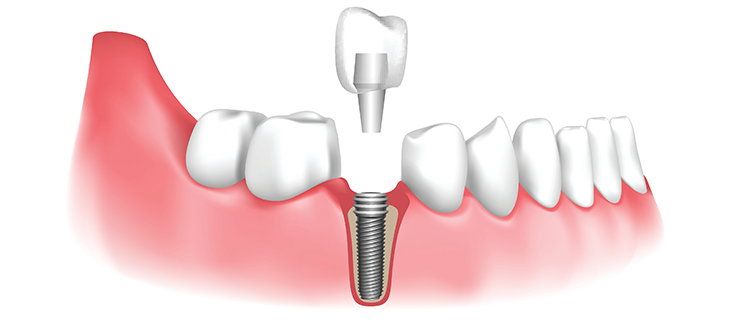
To understand how this treatment improves daily life, it helps to know exactly what a dental implant is. A dental implant is a small medical device designed to act as an artificial replacement for the root of a missing tooth. It is typically made of titanium, a strong, lightweight metal that the human body accepts very well.
The implant itself is a small screw-like post that is placed into the jawbone during a minor surgical procedure. Because it replaces the root, it provides a sturdy and permanent foundation for a replacement tooth. Once the implant post is in position, a small connector piece called an abutment is attached to the top of the post. Finally, a custom-made crown, which looks and functions just like a natural tooth, is securely fixed onto the abutment.
A crucial part of this process is a biological phenomenon called osseointegration. This is the process where the living jawbone grows around the titanium post and fuses directly with its surface. Osseointegration creates a very strong and stable anchor, effectively making the implant a permanent part of the jaw structure. This firm, fixed foundation is exactly what allows implants to restore eating and speaking so effectively, setting them apart from other dental options.
How Dental Implants Restore the Joy of Eating
One of the most immediate and noticeable benefits of dental implant treatment is the return of proper chewing function. When natural teeth are lost, the ability to break down food is severely reduced. People often find themselves chewing on only one side of their mouth or avoiding tough, crunchy, or sticky foods entirely. A diet limited to soft, processed foods can lack essential nutrients and take away the simple pleasure of enjoying a meal with family and friends.
Traditional dentures can restore the appearance of a full set of teeth, but they only return a small fraction of the natural chewing power. Because dentures sit on the gums and can move around, biting into hard foods can cause pain or shift the denture out of place. Many denture wearers rely on adhesives to try and keep their teeth stable, but even the best adhesives cannot replicate the stability of a natural tooth root.
This is where dental implants make a significant difference. Because the implant post is fused directly into the jawbone, it acts just like a natural root. When a person bites down, the force of the bite is transferred through the custom crown and the implant post directly into the bone. This allows for a much stronger, more stable bite. Patients who seek a Dental Implant Newcastle often do so because they want to eat their favorite foods again without worry or discomfort. Whether it is biting into a crisp salad, chewing a steak, or enjoying raw vegetables, dental implants provide the stability needed to eat comfortably and confidently.
Regaining Clear and Confident Speech
Speech is another area where dental implants offer a major improvement over missing teeth and traditional dentures. Speaking clearly requires a precise and complex interaction between the tongue, lips, teeth, and jaw. When teeth are missing, it becomes very hard to pronounce certain words correctly. Sounds like “t,” “d,” “s,” and “z” rely heavily on the tongue touching the back of the front teeth. Without those teeth, speech can sound slushy, mumbled, or unclear.
Dentures present their own unique speech challenges. Because they are removable and rest directly on the gums, they can shift while a person is talking. This movement can cause unexpected clicking sounds or make it difficult to control the flow of air from the mouth, leading to whistling noises. It takes time and practice to learn to speak with dentures, and even then, they may still slip at the most inconvenient moments, causing social anxiety.
Choosing a Dental Implant Newcastle provides a fixed anchor that does not rely on the gums for support. Because implants are secured into the jawbone, they do not move, slip, or click. They feel and act exactly like natural teeth. This stability gives the tongue a solid, reliable surface to push against, allowing for clear and precise pronunciation. For people who have struggled with slurred speech or the fear of dentures slipping during a conversation, dental implants can bring a massive boost in self-confidence. They can speak freely in social situations, on the phone, or in public without ever worrying about their teeth letting them down.
The Treatment Journey to a Dental Implant Newcastle
Understanding how dental implants improve eating and speaking is important, but patients should also know what the treatment process involves. The journey from a missing tooth to a fully restored bite requires several structured steps and a commitment to the healing process.
The process always begins with a thorough consultation. For residents in the North East, this often starts with a free initial consultation to discuss concerns and learn about the available options. During this visit, the dental team will review the patient’s medical and dental history. It is essential to check the health of the gums and the density of the jawbone, as a strong foundation is needed for the implant to succeed long-term.
Advanced technology plays a big role in modern implant dentistry. Clinics serving the Newcastle area use state-of-the-art 3D imaging and digital X-rays to get a detailed, three-dimensional look at the jawbone, nerves, and surrounding structures. These scans allow the clinician to measure bone volume accurately and plan the exact placement of the implant with high precision. In some cases, advanced 3D smile simulation technology can even show the patient what their final result may look like before the treatment begins.
If a damaged tooth is still present at the site, it will need to be carefully removed. Once the area has healed, the implant placement can take place. This involves a minor surgical procedure where the titanium post is inserted into the jawbone. For patients who feel anxious or nervous about dental surgery, intravenous (IV) sedation is often available. This provides a state of semi-consciousness, helping patients remain relaxed and comfortable throughout the entire procedure.
After the implant is placed, the body needs time to heal. The osseointegration process, where the bone fuses to the implant, typically takes several months. This healing period is vital because it creates the strong anchor needed for stable chewing and clear speaking. In some advanced cases, such as full-arch restorations, a temporary set of teeth can be placed on the implants on the very same day, allowing patients to leave the clinic with a full smile. However, the final, custom-made crown is fitted only after the bone has fully integrated with the post. Practices with an on-site dental laboratory can create these custom restorations efficiently, ensuring they match the colour and shape of the patient’s natural teeth perfectly.
Bone Grafting and Suitability for Treatment
A common question among patients is whether they are suitable candidates for dental implant treatment. Most healthy adults who have lost teeth can receive implants, but there is one major requirement: adequate jawbone density. The implant needs a certain amount of bone to anchor itself securely.
When a tooth has been missing for a long time, the jawbone in that area tends to shrink because it no longer receives the stimulation it needs from the tooth root. If the bone has lost too much volume, the implant may not have enough support to survive the forces of chewing. However, this does not mean implant treatment is impossible. A procedure called bone grafting can solve this problem. Bone grafting involves adding special bone material to the area to build up the density and volume. Over a few months, the graft fuses with the natural bone, creating a solid foundation strong enough to support an implant.
General health and lifestyle factors also play a significant role in suitability. Healthy gums are essential, as active gum disease can threaten the success of an implant by attacking the supporting bone. Smoking is another major factor, as it reduces blood flow and slows down the body’s natural healing process, increasing the risk of implant failure. A provider offering a Dental Implant Newcastle will assess all these factors carefully during the initial examination. They will look at the patient’s overall health, current medications, and daily habits to ensure the treatment has the best possible chance of success. Every patient is different, so a personalised, professional assessment is always necessary before proceeding.
Comparing Tooth Replacement Options
When considering how to replace missing teeth, patients usually have three main options: traditional dental bridges, removable dentures, or dental implants. While bridges and dentures can restore the appearance of a smile, they fall short when it comes to fully restoring oral function.
A traditional dental bridge relies on the teeth adjacent to the gap for support. To place a bridge, the healthy neighbouring teeth must be ground down to fit crowns over them. This process permanently damages otherwise healthy tooth structure. Furthermore, a bridge does not replace the tooth root, so the jawbone beneath the missing tooth continues to shrink over time due to lack of stimulation.
Removable dentures, as discussed earlier, rest on the gums. They do not provide the jawbone with the stimulation it needs, which leads to gradual bone loss and changes in the shape of the face over time. This bone loss causes dentures to become progressively looser, requiring frequent adjustments or relining. While dentures are a quicker option upfront, the ongoing maintenance and the severe impact on eating and speaking can be significant daily drawbacks.
While a Dental Implant Newcastle requires a greater initial investment of time and money, it offers superior long-term value. Because the implant replaces the tooth root, it preserves the jawbone and prevents the facial sagging associated with bone loss. It does not rely on neighbouring teeth for support, leaving the rest of the natural teeth healthy and intact. Most importantly, it provides a level of stability for eating and speaking that bridges and dentures simply cannot match. With proper care, regular maintenance, and good oral hygiene, the implant post can last for many decades, making it a reliable and functional long-term solution.
Caring For Dental Implants
The success of a dental implant does not end when the final crown is fitted. Long-term aftercare is absolutely essential to keep the implant healthy, stable, and functional. Fortunately, caring for an implant is very similar to caring for a natural tooth.
Patients must brush their teeth at least twice a day using a soft-bristled toothbrush and a non-abrasive toothpaste. Flossing daily is equally important, as it removes plaque and food particles from around the implant where the gum meets the crown. Special tools like interdental brushes or water flossers can be very helpful for cleaning around the abutment without irritating the surrounding gum tissue.
Diet also plays a role in the longevity of the restoration. A diet that is low in sugar and acid helps prevent decay in the remaining natural teeth and keeps the gums healthy, which in turn protects the implant. While dental implants are incredibly strong, patients should still avoid using their teeth as tools to open bottles or bite on extremely hard objects like ice or hard sweets, which could damage the custom crown.
Regular visits to the dentist and hygienist are crucial for ongoing success. These professionals can monitor the health of the gum and bone around the implant and catch any early signs of inflammation before they become serious problems. A maintenance plan that includes regular professional cleanings and annual reviews will help ensure the implant remains stable and functional for years to come. By following a strict aftercare routine, patients protect their investment and maintain their ability to eat and speak comfortably.
Final Verdict
To answer the original question clearly: yes, dental implants can significantly improve eating and speaking for individuals suffering from tooth loss. By replacing the missing tooth root and providing a fixed, stable foundation, implants restore the biting force needed to enjoy a wide and nutritious variety of foods. They also eliminate the slipping, clicking, and movement associated with traditional dentures, allowing for clear, precise, and confident speech.
While the treatment requires a minor surgical procedure and a commitment to the healing process, the functional and psychological benefits are substantial. Dental implants do not just fill a gap in a smile; they rebuild the basic mechanics of the mouth, allowing the jaw and teeth to work together naturally. For those considering a Dental Implant Newcastle, the potential to eat comfortably and speak clearly again is a highly compelling reason to explore this treatment further. However, because every individual’s dental and medical situation is unique, it is important to seek a professional consultation. A qualified dental professional can assess the health of the jawbone and gums, discuss personal expectations, and determine if dental implant treatment is the right path to restoring daily function and quality of life.
