

Anyone searching for composite bonding Newcastle options is usually dealing with one of a few common concerns: a chipped front tooth, a small gap that catches the eye in every photo, or teeth that look slightly duller than they used to. Composite bonding has become one of the most requested cosmetic dental treatments in the region, and it’s easy to see why. It’s quick, it doesn’t usually require any drilling into healthy tooth structure, and the results can look remarkably natural when done well.
Still, jumping into any cosmetic treatment without understanding what it actually involves is a mistake. This guide walks through what composite bonding Newcastle patients should know before booking a consultation, covering how the treatment works, who tends to suit it, what it can and can’t fix, and how to look after it once it’s done.
What is Composite Bonding
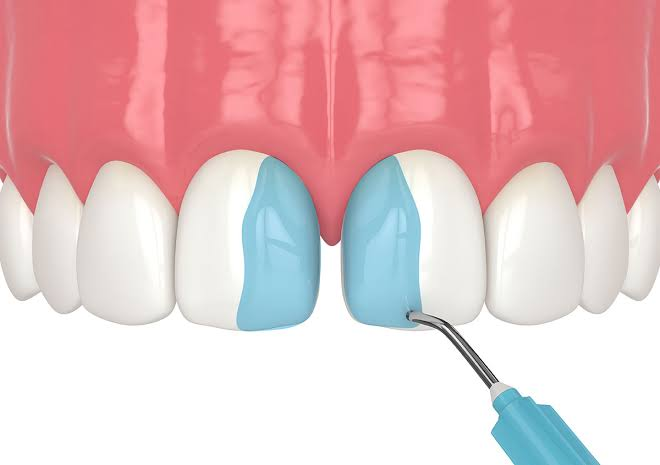
Composite bonding, sometimes called dental bonding or teeth bonding, uses a tooth-coloured resin that a dentist applies directly to the surface of a tooth. The dentist shapes and moulds this resin by hand, matching it to the colour, size, and shape of the surrounding teeth, then hardens it in place with a curing light.
Because the material is added onto the tooth rather than carved from it, composite bonding Newcastle patients often choose this route specifically because it avoids the enamel removal that some other cosmetic options require. This makes it a conservative choice for people who want a visible improvement without permanently altering the structure of their natural teeth.
The resin itself is designed to blend in. A skilled dentist builds it up in thin layers, checking the shade and shape against the neighbouring teeth as they go, so the finished result sits naturally alongside the rest of the smile rather than standing out.
Problems Composite Bonding Can Help With
Composite bonding works best on smaller, more contained cosmetic issues rather than widespread dental problems. Typical concerns treated with composite bonding Newcastle dentists see include:
1. Chipped teeth: A knock, a fall, or biting down on something hard can leave a small chip in a front tooth. Bonding fills the missing section and restores the original shape.
2. Cracked teeth: Minor cracks that don’t affect the health of the tooth can often be smoothed over and disguised using the same resin technique.
3. Small gaps between teeth: Rather than moving teeth with orthodontics, bonding can close modest gaps by adding material to the sides of the adjacent teeth.
4. Mild discolouration: Composite resin can mask staining or uneven colouring on individual teeth, though it works differently from whitening treatments and doesn’t lighten the whole smile the way whitening does.
5. Uneven or irregular edges: Teeth that look slightly jagged or asymmetrical can be reshaped so the smile line looks more even.
6. Minor length or shape changes: A tooth that looks a little short, or one that’s a slightly different shape from its pair, can sometimes be adjusted with careful resin application.
7. Slight misalignment: Bonding can sometimes visually soften mild crookedness, though it doesn’t move teeth the way braces or aligners do.
Bonding is generally applied to one tooth or a handful of teeth, not a full arch. The resin isn’t strong enough to hold up reliably over very large surface areas, so dentists tend to reserve it for targeted, smaller fixes rather than broad reconstruction.
What Happens During Treatment
For patients researching composite bonding Newcastle clinics offer, understanding the general treatment steps can make the process feel far less unfamiliar.
- The consultation: The first appointment usually involves a conversation about what the patient wants to change and an examination of the teeth in question. This is also the point where the dentist assesses whether bonding is a sensible option or whether another treatment might serve the patient better.
- Cleaning the tooth: Before any resin goes on, the tooth is cleaned thoroughly to remove plaque or debris, giving the bonding material a clean surface to adhere to.
- Preparing the surface: A conditioning liquid is applied to help the resin bond securely to the tooth.
- Applying the resin: The dentist sets a bonding agent using a light beam, then builds up the composite resin in layers, shaping it by hand to match the desired outcome.
- Curing and shaping: Each layer is hardened using a special curing light. The dentist continues shaping the material until the tooth looks the way it should.
- Polishing: Once the resin has fully hardened, it’s polished so the surface catches light the same way natural enamel does, helping it blend in rather than look glossy or artificial.
Many patients can complete the entire process in a single visit, walking out with a noticeably different smile the same day. That said, exact appointment length and the number of visits needed can vary depending on how many teeth are involved and how complex the changes are, so it’s worth confirming this directly during a consultation rather than assuming a fixed timeframe.
Who Tends to Suit Composite Bonding
Composite bonding Newcastle patients who get the best results are usually those with generally healthy teeth and gums who are looking to fix a specific, limited cosmetic concern. It’s often described as ideal for minor issues such as small chips, cracks, mild gaps, and slight discolouration, rather than as a fix-all for every dental problem.
People with more extensive damage, significantly crooked teeth, or complex bite issues are often better suited to alternatives like orthodontics or porcelain veneers. A professional evaluation is really the only reliable way to know which category a particular case falls into, since the right treatment depends on the condition of the teeth themselves, not just the cosmetic result someone is hoping for.
It’s also worth being realistic about what bonding won’t do. It won’t correct a full arch of misaligned teeth, and it isn’t designed to address underlying issues like decay or gum disease. If those problems exist, they generally need to be treated first.
The Benefits Worth Knowing
Composite bonding has a few clear advantages that explain its popularity.
It’s minimally invasive. Because the resin is applied on top of the tooth, there’s usually little to no need to remove healthy enamel, unlike some other cosmetic procedures.
It’s fast. A single visit is often enough to complete the treatment, which appeals to people who want a quicker fix rather than a multi-appointment process.
It looks natural. Because the resin is shaped and shade-matched by hand, a well-done result blends in convincingly with the rest of the smile.
It’s flexible. The material can be shaped to adjust size, length, and form, giving dentists room to make subtle, tailored changes rather than a one-size-fits-all result.
It’s reversible in nature, since it doesn’t rely on permanently reshaping the tooth underneath, which some patients find reassuring compared with more invasive procedures.
The Limitations to Consider
No treatment is without trade-offs, and composite bonding Newcastle patients should go in with realistic expectations.
The material is more prone to chipping and staining than options like porcelain veneers. It sits on the outer surface of the tooth, so it’s exposed to the same daily wear as natural enamel, and over time this can show.
It generally needs more upkeep than porcelain alternatives. Minor retouches or repairs may be needed periodically, and how often depends on the individual’s habits, diet, and how the teeth are used day to day.
It’s not the right choice for larger dental problems. Extensive damage or significant misalignment usually calls for a different approach entirely.
Its lifespan varies from person to person. Diet, oral hygiene, and habits like teeth grinding all play a role in how long a bonded tooth holds up, so it’s not something with a fixed, guaranteed duration. A dentist can give a more personalised sense of what to expect based on an individual’s teeth and habits.
Looking After Bonded Teeth
Aftercare plays a real role in how well composite bonding holds up over time. A few habits make a meaningful difference:
Brush twice a day with a fluoride toothpaste, and choose a soft-bristled brush to avoid wearing down the polished surface of the resin.
Floss daily, paying attention to the area where the bonding meets the natural tooth, since plaque can build up along that edge.
Avoid biting down on hard foods or objects. Ice, hard sweets, and using teeth to open packaging can chip the material.
Be mindful of strongly staining foods and drinks like coffee, red wine, and dark berries, since composite resin doesn’t resist staining as well as porcelain does.
Attend regular dental check-ups so any early signs of wear, chipping, or discolouration can be caught and addressed with a minor retouch before they become more noticeable.
None of this is complicated, but consistency matters. Skipping check-ups or ignoring small chips tends to be what shortens the life of a bonded tooth, rather than the treatment itself failing.
Composite Bonding Compared with Other Options
It’s common for people considering composite bonding Newcastle treatments to also look into porcelain veneers, since both address similar cosmetic concerns. The two work quite differently. Veneers are thin, custom-made shells bonded to the front of the tooth, and they generally involve more than one appointment along with some preparation of the tooth surface. They tend to be more durable and more resistant to staining than composite resin.
Bonding, by comparison, is quicker, involves less alteration to the natural tooth, and can often be finished in one visit. It suits smaller, more contained concerns, while veneers are often chosen when someone wants a more comprehensive, long-lasting change across several teeth. Neither option is universally better. It comes down to the specific issue being treated, how much change is wanted, and how the patient feels about the trade-offs between convenience and longevity.
Getting Started
The best way to know whether composite bonding is the right fit is a proper consultation with a dentist who can assess the teeth in question and talk through realistic outcomes. Practices offering composite bonding Newcastle residents can access, including those based just across the Tyne in Gateshead, typically start with a consultation to discuss goals and assess suitability before any treatment begins.
Bringing a clear idea of what’s bothering you, whether that’s a chip, a gap, or uneven colouring, helps the conversation stay focused and makes it easier for the dentist to explain what’s realistically achievable. Composite bonding won’t solve every dental concern, but for the right candidate, it offers a genuinely low-hassle way to freshen up a smile without committing to anything permanent or invasive.
