

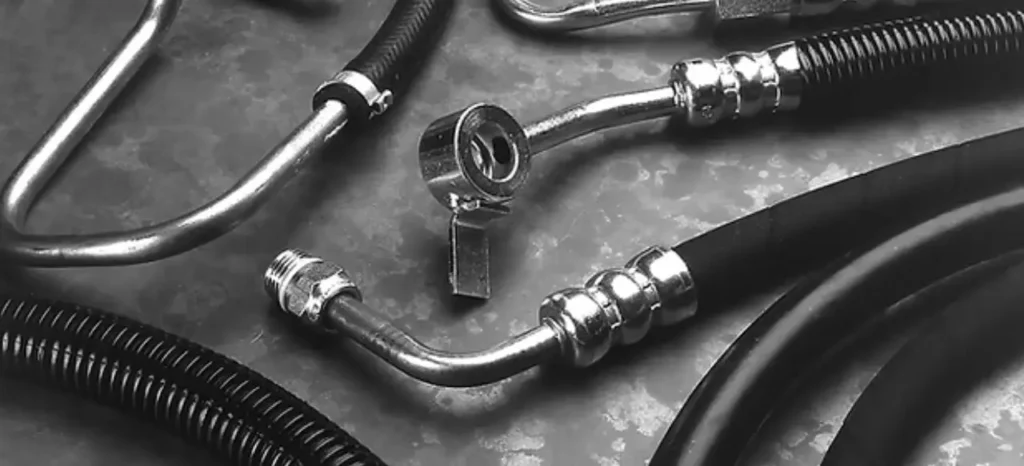
Every vehicle depends on small parts that do big jobs. Among these are brake hoses, fuel hoses, and power steering hoses. You may not see them often, but they play a key role in how your car runs and how safe it feels on the road.
Whether you are driving through busy streets in New York or cruising highways in California, these hoses help your vehicle stop, move, and turn smoothly. If one of them fails, it can lead to serious problems. That is why understanding their purpose is so important.
What Are Brake, Fuel, and Power Steering Hoses?
How Each Hose Works in Simple Terms
Each hose in your vehicle has a specific job.
A brake hose carries brake fluid from the brake master cylinder to the brakes. This fluid creates pressure that helps stop your car.
A fuel hose moves fuel from the tank to the engine. Without it, your engine would not get the fuel it needs to run.
A power steering hose carries fluid that helps you turn the steering wheel easily. It connects parts like the power steering pump and the steering system.
All three hoses are flexible but strong. They are built to handle pressure, heat, and constant movement.
Why These Hoses Matter for Vehicle Safety
These hoses are directly tied to safety. If a brake hose leaks, your stopping power drops. If a fuel hose fails, it can lead to engine trouble or even fire risks. A damaged power steering hose can make steering hard and unsafe.
That is why these hoses are considered critical parts of any automotive system.
Where These Hoses Are Commonly Used
Everyday Passenger Vehicles
In regular cars, SUVs, and trucks, these hoses are used every time you drive. From short trips to long drives, they work quietly in the background.
Cities like Chicago and Los Angeles have heavy traffic. In such conditions, reliable automotive hoses are important for smooth stops and easy steering.
Commercial and Heavy-Duty Vehicles
Large vehicles like buses and delivery trucks depend even more on these hoses. They carry heavier loads and need strong systems.
A heavy-duty brake hose or fuel line hose must handle more stress in these vehicles.
Performance and Off-Road Applications
In racing or off-road driving, vehicles face extreme conditions. High speeds and rough terrain put pressure on all systems.
Strong and durable hoses are needed to keep everything working without failure.
Key Functions of Each Hose Type
Role of Brake Hoses in Stopping Power
A brake hose is part of the braking system. When you press the brake pedal, fluid moves through the hose. This fluid creates pressure that pushes the brake pads against the wheels.
Without a working brake hose, the system cannot build pressure. This means your car may not stop properly, which can be dangerous.
How Fuel Hoses Keep Engines Running
The fuel hose delivers fuel from the tank to the engine. It must stay sealed to prevent leaks.
A strong fuel delivery system ensures the engine gets a steady flow of fuel. This helps your car run smoothly and efficiently.
Power Steering Hoses and Smooth Control
Turning your steering wheel should feel easy. This is made possible by the power steering hose.
It carries fluid that reduces the effort needed to turn. If the hose fails, steering becomes stiff and harder to control.
Benefits of High-Quality Automotive Hoses
Improved Safety and Reliability
High-quality hoses reduce the risk of leaks and failures. This keeps your vehicle safe on the road.
Drivers in busy areas like Houston rely on strong systems to handle daily traffic safely.
Better Performance and Efficiency
Good hoses help systems work smoothly. This improves braking, fuel flow, and steering response.
A well-maintained vehicle system runs better and feels more stable.
Longer Lifespan and Less Maintenance
Durable hoses last longer. This means fewer replacements and lower maintenance costs.
Using reliable automotive components helps you avoid sudden breakdowns.
Signs Your Vehicle Hoses Need Replacement
Common Warning Signs to Watch For
It is important to check your hoses regularly. Look for signs like:
- Cracks or visible damage
- Fluid leaks under the car
- Soft or bulging hose areas
- Burning smells or reduced performance
These signs show that a hose may be wearing out.
Risks of Ignoring Damaged Hoses
Ignoring these issues can lead to serious problems. A failed brake hose can cause loss of braking power. A leaking fuel hose can create fire hazards. A damaged power steering hose can make driving unsafe.
Regular checks help prevent these risks.
Choosing the Right Hose for Your Vehicle
Material and Pressure Ratings
Hoses are made from different materials like rubber or reinforced synthetic layers. Each type has a pressure limit.
Choosing the right pressure-rated hose ensures it can handle your vehicle’s needs.
Compatibility with Your Vehicle System
Not all hoses fit every vehicle. You must choose hoses that match your system.
Parts used in vehicles across Florida or Arizona may need to handle heat differently. Always check compatibility before replacing a hose.
Brake hoses, fuel hoses, and power steering hoses may seem like small parts, but they are essential for safe and smooth vehicle operation. They control how your car stops, runs, and turns.
Maintenance Tips for Brake, Fuel, and Power Steering Hoses
Routine Inspection Practices
Regular inspection is key. Check hoses during routine maintenance or oil changes.
Look for wear, leaks, or loose connections. Keeping an eye on your automotive hoses helps catch problems early.
When to Replace and Why It Matters
Hoses do not last forever. Over time, heat and pressure cause wear.
Replacing them at the right time keeps your vehicle safe. It also helps maintain smooth performance.
Conclusion
From daily driving in cities like San Diego to long highway trips, these hoses work constantly under pressure. Choosing high-quality hoses, checking them often, and replacing them when needed can make a big difference.
In the end, a well-maintained vehicle system gives you better control, improved safety, and peace of mind every time you drive.
