

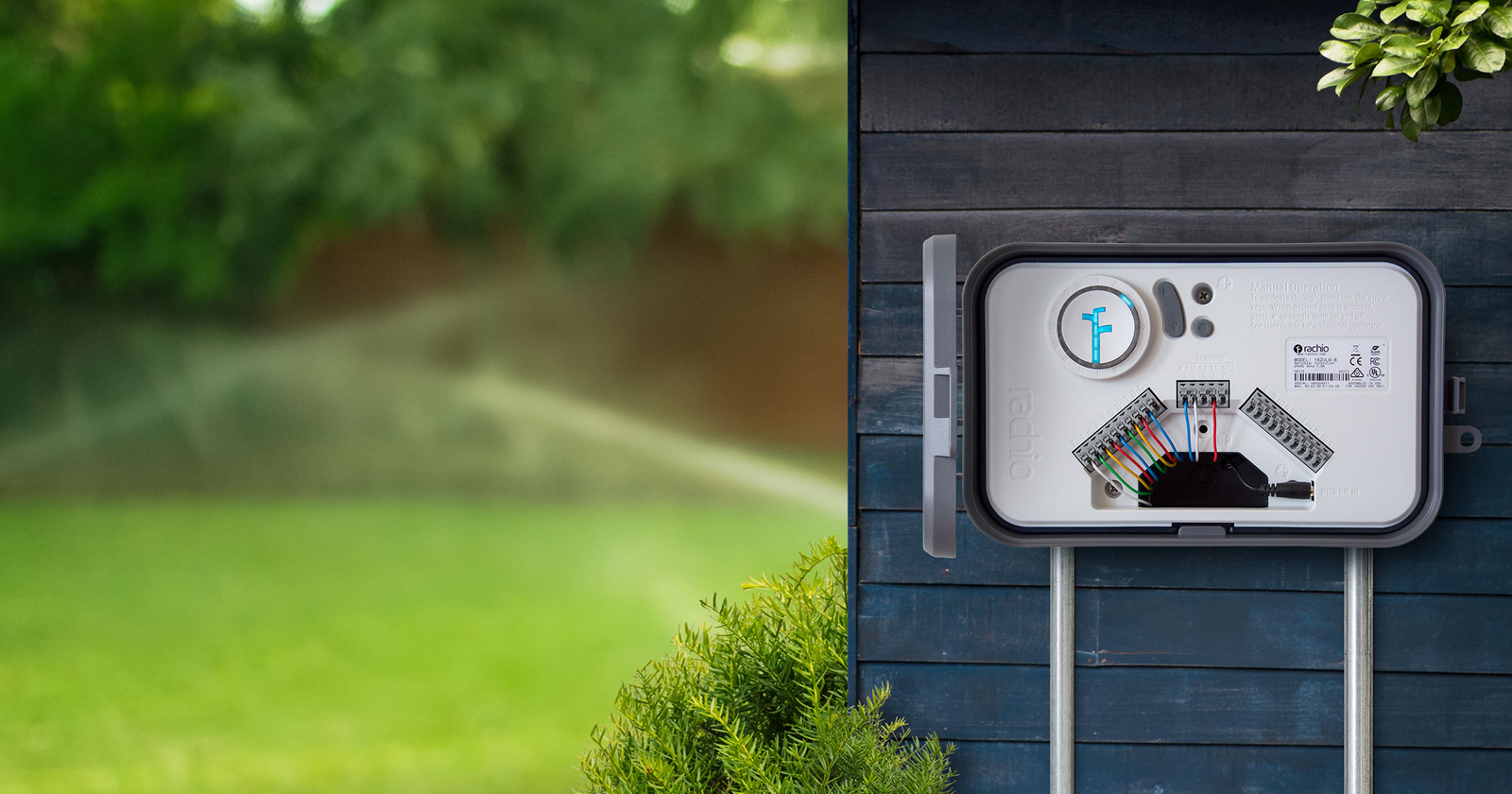
Watering your lawn or landscape should be simple, not stressful. Many homes and businesses still use old-style timers to control their sprinklers. These traditional systems work, but they often waste water and require constant adjustment.
That’s where smart irrigation controllers come in. These modern systems use data, sensors, and automation to water your lawn the right way. They help you save water, reduce costs, and keep your plants healthy without extra effort.
Why Smart Irrigation Controllers Are Important
How They Help Save Water and Reduce Waste
Water waste is a big issue with traditional timers. They run on fixed schedules, even when it rains. This leads to overwatering and higher water bills.
Smart irrigation controllers adjust watering based on real conditions. Many systems follow guidelines from the Environmental Protection Agency through programs like water efficiency standards. These systems help reduce unnecessary water use.
By using only the water your lawn needs, you protect both your budget and the environment.
Improving Lawn and Plant Health
Plants don’t need the same amount of water every day. Too much water can damage roots, while too little can dry them out.
Smart systems adjust watering schedules based on weather and soil conditions. This keeps your lawn green and your plants healthy. It also reduces the risk of disease caused by overwatering.
Making Lawn Care Easier with Automation
With a traditional system, you have to adjust settings often. This can take time and effort.
Smart irrigation controllers handle this for you. Once set up, they automatically adjust watering. This saves time and removes guesswork.
How Smart Irrigation Controllers Work
Using Weather Data for Smart Watering
Smart systems use weather data to decide when and how much to water. They can detect rain, temperature, and humidity levels.
This means your system won’t run during a rainstorm or on cooler days when less water is needed.
Soil Moisture Sensors and Adjustments
Some controllers use soil sensors to measure moisture levels. If the soil is already wet, the system skips watering.
This prevents overwatering and helps plants grow stronger roots.
Scheduling and Automation Features
You can set schedules based on your needs. Smart systems then adjust those schedules automatically.
This gives you control while still allowing the system to make smart changes when needed.
Key Features to Look for in Smart Irrigation Controllers
Wi-Fi Connectivity and Mobile Control
Many smart controllers connect to Wi-Fi. This allows you to control your system using your phone.
You can turn watering on or off, change schedules, or check system status from anywhere.
Custom Watering Schedules
Every lawn is different. Smart systems let you create custom schedules for different zones.
This means each area gets the right amount of water based on its needs.
Compatibility with Existing Sprinkler Systems
Most smart controllers can work with your current sprinkler setup. You don’t always need to replace everything.
This makes upgrading easier and more affordable.
Benefits for Different Users
Homeowners and Residential Lawns
For homeowners, smart controllers make lawn care simple. They save time and reduce water bills.
You can enjoy a healthy lawn without constant adjustments.
Commercial Properties and Landscapes
Businesses benefit from consistent and efficient watering. This keeps landscapes looking clean and professional.
It also helps reduce maintenance costs over time.
Agriculture and Large-Scale Irrigation
In larger settings, water use is a major concern. Smart systems help manage water more efficiently.
They support better crop growth while reducing waste.
Common Problems Without Smart Controllers
Overwatering and Water Waste
Traditional systems often water too much. This wastes water and can damage plants.
It also increases utility bills.
Higher Utility Bills
Using more water than needed leads to higher costs. Over time, this adds up.
Smart systems help lower these expenses by using water more efficiently.
Inconsistent Lawn Growth
Without proper control, some areas may get too much water while others get too little.
This leads to uneven growth and poor lawn health.
Installation and Setup Basics
Easy Installation Steps for Beginners
Many smart controllers are easy to install. They replace your existing timer and connect to your system.
Basic setup usually includes connecting to Wi-Fi and setting your preferences.
When to Hire a Professional
If your system is complex, it may be better to hire a professional. They can ensure everything is installed correctly.
This helps avoid issues later.
Integrating with Existing Systems
Smart controllers are designed to work with most sprinkler systems. This makes the upgrade process simple.
You can keep your current setup while adding smart features.
Maintenance and Optimization Tips
Regular System Checks and Updates
Check your system from time to time. Make sure sensors and connections are working properly.
This keeps everything running smoothly.
Adjusting Settings for Seasonal Changes
Weather changes throughout the year. Smart systems adjust automatically, but you can also fine-tune settings if needed.
This helps maintain the best results.
Troubleshooting Common Issues
If something isn’t working, check the app or system alerts. Many smart controllers provide simple troubleshooting steps.
This makes it easy to fix small problems quickly.
Upgrading to a Smart Irrigation System
Benefits Over Traditional Timers
Smart systems offer better control and efficiency. They adjust based on real conditions instead of fixed times.
This leads to better performance and less waste.
Long-Term Cost and Water Savings
While smart controllers may cost more upfront, they save money over time. Lower water use means lower bills.
Fewer repairs and better system performance also reduce costs.
Environmental Impact and Sustainability
Using less water helps protect natural resources. Smart systems support eco-friendly practices.
Organizations like the United States Department of Agriculture promote efficient water use in landscaping and agriculture.
Conclusion
Upgrading to smart irrigation controllers from traditional systems is a smart move for both homes and businesses. These systems offer better control, save water, and improve plant health.
By using features like weather data, soil sensors, and mobile control, smart systems take the guesswork out of watering. They help you maintain a healthy landscape while reducing costs and effort.
Take the time to review your current setup and consider the benefits. A smart irrigation system is not just a modern upgrade—it’s a practical solution for long-term efficiency and sustainability.
