

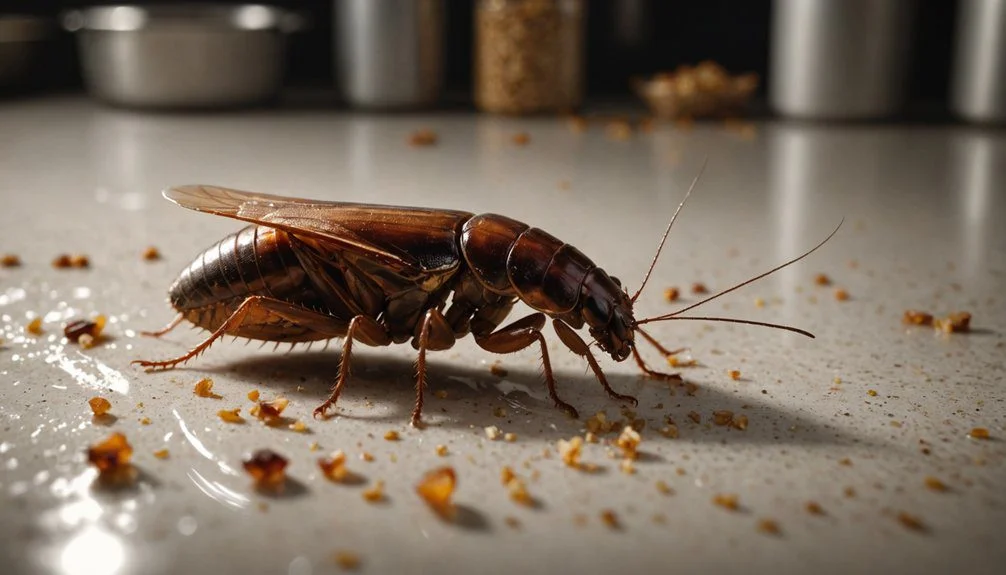
Seeing cockroaches around a sterilisation area overnight is a serious concern in any dental practice or clinical facility. These spaces are expected to remain clean, controlled, and protected from contamination. Even a single sighting can raise questions about hygiene standards, equipment safety, and whether pests may be moving through hidden parts of the building after hours.
Cockroaches are not always a sign that a facility is poorly cleaned. They are highly adaptable pests that can enter through very small gaps, travel through plumbing systems, and hide in warm, dark areas that are difficult to inspect. However, when they appear near sterilisation zones, the issue should be treated as urgent. Cockroaches have been associated with a range of microorganisms in healthcare settings, which makes prompt pest management and infection-control review essential.
Why Cockroaches Are Attracted to Sterile Areas
A sterilisation room may appear spotless, but cockroaches do not need visible food waste to survive. They can be attracted by moisture around sinks, drains, dishwashers, plumbing connections, and cleaning stations. Small traces of organic material, residue from rinsed instruments, cardboard storage, and waste bins can also provide opportunities for pests to feed or shelter.
Cockroaches are especially drawn to warm, humid environments. Sterilisation areas may contain equipment that generates heat, while nearby plumbing can create the moisture conditions they need. They may also move through adjoining staff kitchens, storage rooms, cleaners’ cupboards, or bathrooms before entering more sensitive areas. Healthcare guidance notes that cockroaches are frequently found around central sterile supply areas and locations where water or moisture is present, including drains and sink traps.
This means a cockroach sighting may not originate directly from the sterilisation room itself. The visible activity may simply be the result of pests travelling through concealed spaces behind walls, beneath cabinetry, or along plumbing lines.
Risks in High-Hygiene Environments
Cockroaches can compromise sanitation standards because they move through drains, waste areas, plumbing voids, and other contaminated locations before travelling across floors, walls, benches, and equipment surrounds. Their presence in a clinical setting creates a potential contamination concern, particularly where instruments are cleaned, packaged, stored, or prepared for sterilisation.
In a dental practice, hygiene procedures are central to patient safety and professional compliance. The presence of pests can undermine confidence in those procedures, even when the sterilisation process itself remains properly managed. Cockroach activity may also lead to droppings, shed skins, unpleasant odours, and allergens in hidden areas.
For facilities such as Emergency Dentists, an unexpected pest issue can be particularly disruptive because treatment rooms and sterilisation areas may need to remain operational outside standard business hours. A quick response helps reduce the chance of activity spreading into adjacent rooms, storage areas, or patient-facing spaces.
Common Entry Points
Cockroaches can enter a facility through openings that are easy to overlook during routine cleaning. Gaps around plumbing pipes are among the most common access points, especially beneath sinks and behind cabinetry. Even narrow spaces around water lines, drainage pipes, and electrical conduits can allow cockroaches to move between rooms.
Floor drains are another frequent entry route. If drains are rarely used, the water seal inside the trap can evaporate, creating a pathway from the drainage system into the building. Cracks in walls, gaps beneath skirting boards, damaged seals around doors, and openings around ventilation systems can also support pest movement.
Adjoining storage areas deserve close attention as well. Cardboard boxes, unused supplies, paper packaging, and cluttered cupboards can create sheltered hiding places. Cockroaches may remain concealed during the day and emerge at night when the facility is quiet, which is why activity can appear to begin suddenly overnight.
Why Immediate Action Is Needed
An overnight sighting should not be treated as an isolated incident without further investigation. Cockroaches are nocturnal and tend to remain hidden when people are present. Seeing one or more in an active area may indicate that a larger population is already established nearby.
The longer the issue remains unaddressed, the more likely cockroaches are to spread through wall cavities, service ducts, plumbing systems, and storage spaces. They can reproduce quickly in favourable conditions, particularly where warmth and moisture are consistently available. Immediate action allows the facility to identify likely breeding areas before the infestation becomes more difficult to manage.
It is also important to separate pest management from routine cleaning. Cleaning can remove visible traces and reduce attractants, but it will not eliminate cockroaches hiding behind walls, beneath equipment, or inside plumbing voids. A coordinated response should include pest inspection, maintenance checks, and review of cleaning practices around affected areas.
Professional Pest Control Response
A professional Cockroach exterminator can assess the extent of activity and identify where pests are entering, nesting, and feeding. This usually involves inspecting plumbing points, drains, wall voids, storage spaces, equipment surrounds, and nearby rooms that may be contributing to the issue.
Targeted treatment is important in clinical environments because pest control measures must be applied carefully around sterilisation equipment, supplies, and patient areas. A professional approach can focus on concealed harbourage points while helping the facility minimise disruption to daily operations.
Treatment may include monitoring devices, gel baits in suitable concealed locations, exclusion recommendations, and follow-up inspections. The purpose is not only to reduce visible cockroach activity but also to interrupt breeding cycles and prevent pests from returning through the same access routes. Healthcare cleanliness standards recognise pest management as an essential part of maintaining safe and hygienic facilities.
Maintaining Sterile Conditions
Once the immediate issue has been addressed, prevention becomes the next priority. Regular cleaning remains important, particularly around sinks, drains, benches, waste areas, and equipment bases. Moisture should be removed promptly, leaks should be repaired, and drains should be maintained so they do not become pest entry points.
Storage practices also matter. Supplies should be kept organised, unnecessary cardboard should be removed, and cupboards should be inspected regularly for droppings, shed skins, or signs of pest activity. Sealing gaps around plumbing, walls, and service penetrations can significantly reduce access.
Scheduled pest inspections are particularly useful for facilities where hygiene standards are critical. Early detection allows problems to be managed before cockroaches reach treatment rooms or sterilisation areas.
Takeaway
Cockroach activity around a sterilisation area should be treated as a hygiene and maintenance concern that requires prompt attention. Hidden moisture, plumbing gaps, drains, and adjoining storage spaces can all provide access without obvious warning signs. Acting quickly helps protect sterile conditions, reduce operational disruption, and prevent a small issue from becoming a larger infestation.
FAQs
Why would cockroaches appear in a clean sterilisation area?
Cockroaches may be attracted by hidden moisture, warm equipment, plumbing gaps, drains, or nearby storage spaces. Their presence does not always mean the visible area has been poorly cleaned.
Can cockroaches enter through floor drains?
Yes. Floor drains can provide access if the water seal in the drain trap has dried out or if there are plumbing issues that allow pests to travel through the drainage systems.
Does seeing one cockroach mean there is an infestation?
Not always, but cockroaches are nocturnal and tend to hide during the day. A sighting in a sterilisation area can indicate that more pests are concealed nearby.
Should sterilisation equipment be checked after cockroach activity?
The facility should follow its established infection-control procedures and assess whether any equipment, packaging, or storage areas may have been exposed. Cleaning and inspection should be completed as required.
Can routine cleaning remove a cockroach infestation?
Routine cleaning reduces food traces and moisture, but it does not remove cockroaches hiding in wall voids, drains, cabinetry, or plumbing areas. Professional treatment is often needed.
How can a dental clinic prevent cockroaches from returning?
Regular inspections, prompt leak repairs, drain maintenance, sealed entry points, organised storage, and scheduled pest management can help reduce the risk of recurring activity.
