

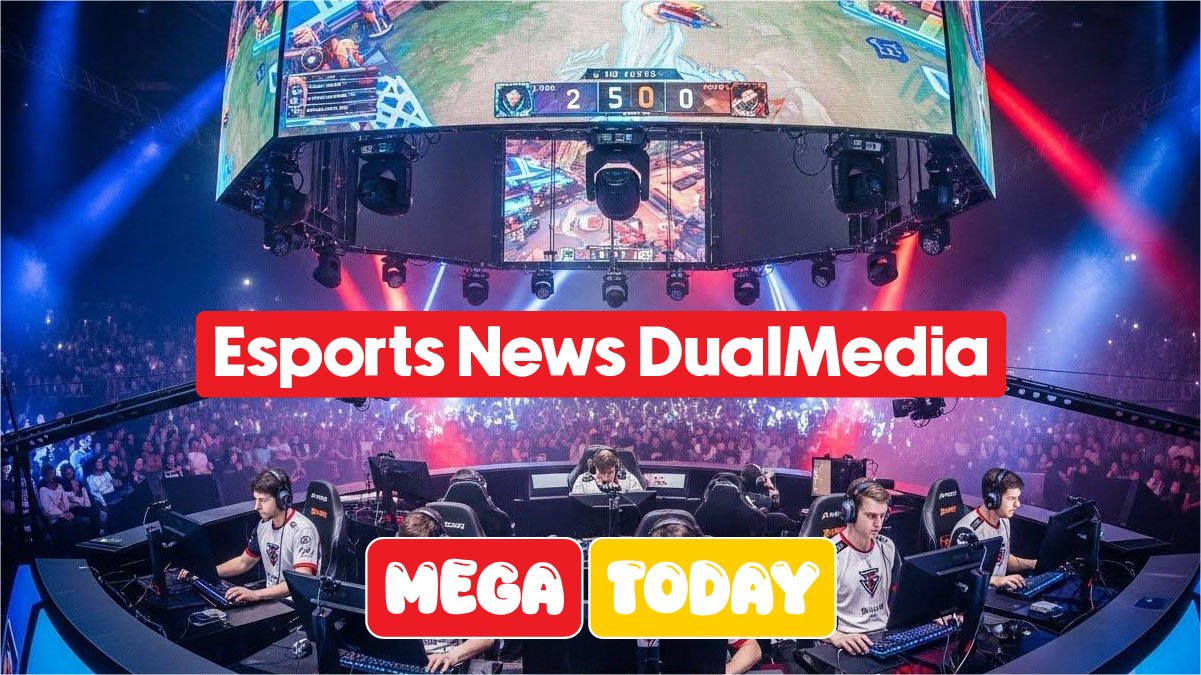
The esports industry hit $1.8 billion in 2025. Tournaments sell out 20,000-seat arenas. A single Valorant roster change can shift betting lines within hours. Yet most fans still get their updates from scattered Twitter threads, generic Reddit posts, or gaming blogs that republish press releases three days late.
That gap—between how fast esports moves and how slowly most outlets report—is exactly what Esports News DualMedia was built to close. This is not another aggregation site pulling headlines from game publishers. It is a competitive gaming coverage platform built by people who actually play, watch, and understand the games they write about.
In this guide, you will learn what DualMedia covers, how its editorial process works, what separates it from sites like ESPN Esports or Dot Esports, and exactly how to use it to stay ahead of roster moves, meta shifts, and tournament results.
Featured Snippet: What Is Esports News DualMedia?
Esports News DualMedia is a competitive gaming news platform that publishes real-time tournament coverage, player transfer alerts, strategic meta analysis, and exclusive interviews across major esports titles including Valorant, League of Legends, Counter-Strike 2, and Dota 2. It combines insider access with data-driven reporting to deliver faster, deeper esports coverage than traditional gaming media outlets.
How Esports News DualMedia Actually Works (A Look Inside the Editorial Machine)
Most gaming blogs follow a simple formula: scan social media, rewrite the announcement, publish. DualMedia does not work that way.
The Daily Editorial Cycle
The editorial team starts each morning by monitoring official team channels, tournament organizer press releases, player streams, and competitive match data from platforms like Esports Charts and Liquipedia. Writers are assigned to specific games—never generalists covering titles they do not actively follow.
When a story breaks, the process looks like this:
- Alert detection – An editor flags a roster change, patch note, or match result within minutes of publication.
- Source verification – The assigned writer contacts team managers, players, or tournament organizers directly. No rumors get published without official confirmation.
- Contextual analysis – The writer explains what happened and why it matters. A roster change is not just a headline. It is a story about team chemistry, strategic fit, and competitive impact.
- Multi-format publishing – The story goes live as text, with embedded highlight clips, stat graphics, and video interviews when available.
This cycle takes longer than reposting a tweet. It also produces coverage that holds up 48 hours later.
Game-Specific Expertise
DualMedia assigns dedicated writers to specific competitive scenes. A Valorant specialist tracks VCT circuit standings, agent pick rates, and map veto strategies. A League of Legends writer monitors LCK, LPL, LEC, and LCS rotations simultaneously. This division means fans do not have to sift through Fortnite news to find Counter-Strike coverage.
What Esports News DualMedia Covers (And What It Ignores)
Not every competitive game gets equal attention. DualMedia focuses on titles with active professional circuits, substantial viewership, and meaningful prize pools.
First-Person Shooters
- Valorant – VCT Masters, Champions, regional qualifiers, agent meta shifts
- Counter-Strike 2 – Major tournaments, HLTV rankings, roster shuffles
- Call of Duty – CDL season standings, map pool updates
MOBA Games
- League of Legends – Worlds, MSI, regional league playoffs, draft analysis
- Dota 2 – The International, DPC rankings, hero patch impact
Battle Royale and Mobile
- Fortnite – FNCS competitions, seasonal mechanics
- PUBG Mobile – PMGC and regional qualifiers
- Mobile Legends – MPL circuits, hero balance updates
What Gets Left Out
Casual gaming news, hardware reviews, and non-competitive title updates are not part of the coverage model. DualMedia does not publish Elden Ring DLC guides or PS5 restock alerts. That focus is intentional. The platform targets competitive gaming followers who want tournament intel, not general gaming entertainment.
Also Read: Pedrovazpaulo Coaching Explained: What Everyone Should Know
DualMedia vs. the Competition: What Sets It Apart
Generic gaming outlets compete for search traffic. DualMedia competes for reader trust. Here is how the differences stack up.
| Feature | Esports News DualMedia | Generic Gaming Blogs | Traditional Sports Media (ESPN, BBC) |
| Source Verification | Direct team/player contact before publishing | Often republishes unverified social media claims | Relies on wire services, limited esports contacts |
| Game Knowledge | Writers actively compete in the titles they cover | Generalists assigned across unrelated games | Outsourced to freelance contributors with limited game expertise |
| Speed vs. Accuracy | Prioritizes verified facts over being first | Races to publish, corrections follow later | 24–48 hour delay on most esports stories |
| Coverage Depth | Strategic analysis, meta breakdowns, replay reviews | Headlines and score reporting | Event summaries only |
| Exclusive Access | Long-form player interviews, training routine features | Press conference quotes only | Occasional major event coverage |
| Community Focus | Grassroots tournament tracking, amateur circuit highlights | Ignores non-tier-one scenes | No amateur coverage |
The practical result: when a top-tier Valorant team makes a surprise roster move, generic blogs publish the headline in 20 minutes. DualMedia might take two hours—but their story includes confirmed details, strategic analysis, and quotes from the player or coach. For fans who bet, compete, or manage fantasy rosters, that depth matters more than speed.
How to Stay Ahead of Esports Using DualMedia: A Step-by-Step Guide
If you are serious about following competitive gaming, here is the exact workflow that gets you informed faster and deeper than casual fans.
Step 1: Set Up Your Game-Specific Feed
Navigate to the game section you follow most closely. Bookmark that page. Most visitors make the mistake of landing on the homepage and scrolling. Dedicated esports fans go straight to their title—Valorant, League of Legends, or Counter-Strike 2—and refresh that section.
Step 2: Enable Breaking News Alerts
DualMedia offers real-time notifications for roster changes, match results, and patch notes. Turn these on for your primary game. Disable general gaming alerts to avoid notification fatigue.
Step 3: Read the Analysis, Not Just the Headline
The most valuable content lives below the headline. When a patch drops, read the meta analysis piece. When a roster changes, read the strategic fit breakdown. This is where betting insights, fantasy roster advice, and competitive predictions live.
Step 4: Bookmark Monthly Roundup Content
At the end of each competitive month, DualMedia publishes roundups summarizing every major tournament result, significant roster move, and meta shift. These are the most efficient way to catch up if you miss a week.
Step 5: Use Interview Content for Fantasy and Betting Context
Player and coach interviews often reveal information that does not show up in stats—team morale issues, strategic adjustments, or health concerns. Fantasy players and bettors who read these interviews consistently make better roster and wager decisions than those who only follow scores.
The Technology Behind Faster, Richer Esports Coverage
Modern esports journalism is not just about writing faster. It is about presenting information in formats that match how fans actually consume competitive content.
Integrated Replay Analysis
DualMedia writers use frame-by-frame replay tools to break down key moments. Instead of describing a clutch round in Counter-Strike 2, they embed annotated replays showing exact player positioning, utility usage, and timing windows. This turns a 300-word description into a 30-second visual explanation.
Live Stat Dashboards
During major tournaments, the platform embeds live stat trackers showing real-time kill-death ratios, economy management, and map control percentages. Viewers do not need to open a second tab.
Mobile-First Formatting
Over 70% of esports content is consumed on mobile devices during live events. DualMedia formats articles for vertical scrolling with short paragraphs, embedded video clips, and collapsible stat tables. No 2,000-word walls of text that require pinch-zooming.
Player and Team Coverage: The Human Story Behind the Stats
The most-read content on DualMedia is not tournament recaps. It is player profiles, comeback stories, and team chemistry deep dives.
What Makes a Strong Player Feature
DualMedia profiles follow a consistent structure that competitors rarely match:
- Pre-professional background – How the player started, what games they played first, and what almost made them quit.
- Training regimen – Specific hours, physical routines, and mental preparation methods. Not vague “they practice hard” descriptions.
- Career turning points – The single match, roster change, or failure that redirected their trajectory.
- Current competitive context – How they fit into their team’s strategy right now, not just their all-time highlights.
This structure answers the question fans actually ask: What is this person actually like, and why should I care about their next match?
Team Chemistry Breakdowns
When a roster changes, DualMedia does not just list the new players. It analyzes how communication styles, role preferences, and competitive histories will mesh. For example, when a Valorant team replaces an entry fragger, the coverage examines whether the new player plays aggressively enough to create space for the team’s star duelist. That level of detail separates informed fans from casual viewers.
The Business of Esports: Why Coverage Quality Matters More Than Ever
Esports is no longer a hobbyist scene. In 2025, top organizations like T1, Team Liquid, and Cloud9 operate with $20M+ valuations. Sponsors like Mercedes-Benz, Red Bull, and Nike invest because competitive gaming delivers audiences that traditional sports struggle to reach: 18–34-year-old consumers who do not watch cable television.
How News Coverage Shapes the Industry
Player transfer reporting directly impacts contract negotiations. Accurate tournament viewership data influences sponsor pricing. Meta analysis shapes coaching decisions at the amateur and professional levels. In this environment, sloppy reporting does not just misinform readers. It distorts market decisions.
DualMedia’s commitment to source verification and expert analysis places it in a category that influences the industry itself—not just reports on it.
FAQ: What Readers Ask About Esports News DualMedia
What makes Esports News DualMedia different from Reddit or Twitter for esports updates?
Reddit and Twitter aggregate information from thousands of unverified sources. DualMedia verifies stories through direct team and player contact before publishing. You get slower but accurate reporting with strategic analysis instead of instant but potentially false rumors.
Does DualMedia cover mobile esports like Mobile Legends and PUBG Mobile?
Yes. Mobile esports receives dedicated coverage including MPL circuit updates, PMGC standings, and hero or weapon balance changes that impact competitive play. Mobile coverage operates under the same verification standards as PC titles.
How quickly does DualMedia publish breaking roster changes?
The priority is accuracy over speed. Most roster stories publish within 1–3 hours of breaking, after direct confirmation from team management or official announcements. This compares to unverified social media posts that appear in minutes but are frequently wrong.
Is there a cost to access Esports News DualMedia content?
The core news coverage, tournament recaps, and analysis articles are free. Premium features like exclusive video interviews, detailed statistical reports, and ad-free reading may require a subscription depending on current platform offerings.
Can I use DualMedia for fantasy esports or betting research?
Yes. The player interviews, meta analysis, and team chemistry breakdowns provide context that pure statistics miss. Fantasy players and bettors who combine DualMedia’s qualitative coverage with quantitative data consistently make more informed decisions.
What esports titles receive the most coverage?
Valorant, League of Legends, Counter-Strike 2, and Dota 2 receive daily coverage due to their active professional circuits. Fortnite, Call of Duty, and mobile titles follow with regular but less frequent updates based on tournament schedules.
How does DualMedia verify its sources?
Every story involving roster changes, player health, or team strategy goes through direct contact with official representatives—team managers, tournament organizers, or the players themselves. No secondhand rumors or anonymous tips are published without independent confirmation.
Conclusion
The esports audience has matured. Casual viewers who checked tournament scores occasionally have become dedicated followers who track rosters, analyze drafts, and follow player careers across multiple titles. That audience needs coverage that matches their investment.
Esports News DualMedia delivers exactly that. Verified reporting, game-specific expertise, strategic analysis, and exclusive player access combine into a platform that informs instead of entertains. For fans who want to understand competitive gaming—not just watch it—this is the resource that closes the gap between how fast esports moves and how well you can follow it.
Bookmark your game section. Enable breaking news alerts. Read the analysis beneath the headlines. The difference between a casual viewer and an informed fan comes down to where you get your updates. Choose the source that treats competitive gaming like the professional industry it has become.
Visit Our Site for More: MegaToday
Stay connected with MegaToday—reach out to us for inquiries, feedback, or partnerships.
