

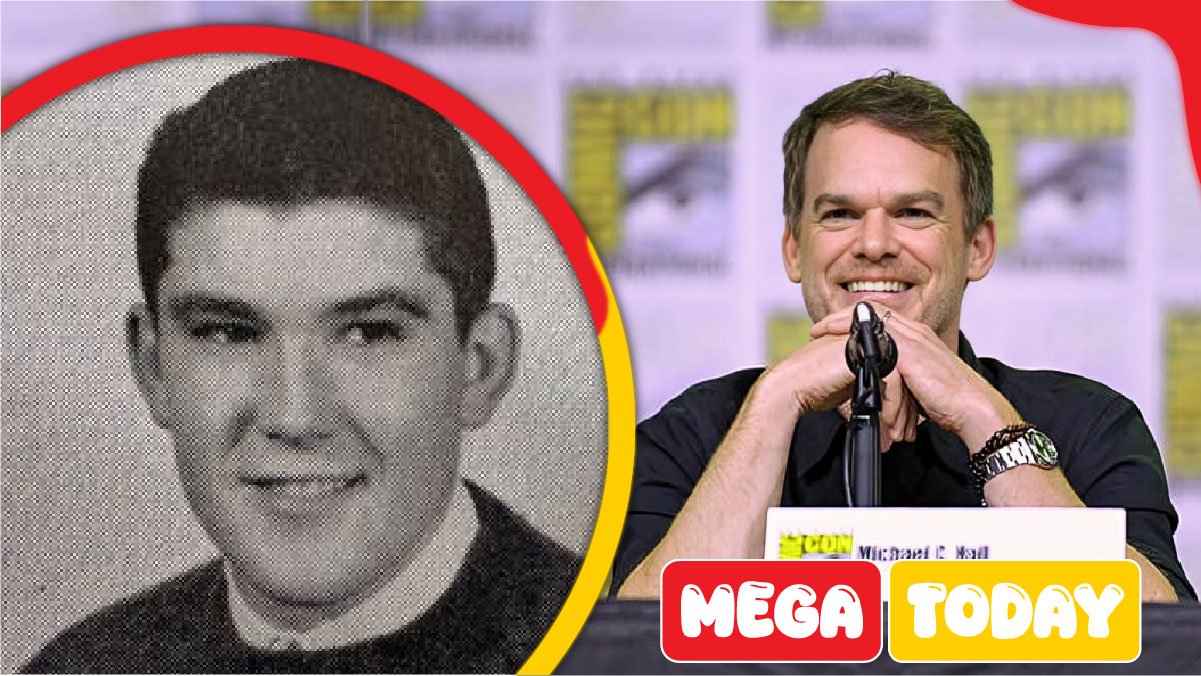
William Carlyle Hall was the father of Golden Globe-winning actor Michael C. Hall. Born in North Carolina, he worked as a systems analyst for IBM. He is best known for his profound influence on his son’s life and career, despite passing away from prostate cancer when Michael was only 11 years old.
The narrative of Hollywood stardom often focuses on the individual under the spotlight, yet the most compelling chapters are frequently written in the shadows of the past. For Michael C. Hall—the enigmatic lead of Dexter and Six Feet Under—the architecture of his career and his deep emotional range can be traced back to a modest, hardworking man from North Carolina: William Carlyle Hall. Though he was never a public figure, William’s life and his untimely departure created a ripple effect that shaped one of the most celebrated actors of the 21st century.
To understand the man Michael C. Hall became, we must first look at the man who came before him. This is the story of William Carlyle Hall, a father whose legacy is measured not in fame, but in the enduring spirit of his family.
Profile Summary: William Carlyle Hall
| Feature | Details |
| Full Name | William Carlyle Hall |
| Date of Birth | 1943 |
| Date of Passing | 1982 |
| Profession | Systems Analyst (IBM) |
| Spouse | Janice Hall |
| Children | Michael C. Hall (and a daughter who passed in infancy) |
| Known For | Father of actor Michael C. Hall |
| Hometown | Raleigh, North Carolina |
The Early Life and Career of William Carlyle Hall
William Carlyle Hall was a man of steady character and intellect. Raised in the American South, he embodied the values of the mid-20th-century workforce: dedication, stability, and a focus on providing for his family. Professionally, William was a systems analyst for IBM, a role that required a logical, meticulous mind during the burgeoning era of the computing revolution.
Living in Raleigh, North Carolina, William and his wife, Janice Hall—a mental health counselor—created a home centered on education and resilience. While William worked within the structured world of data and technology, he fostered an environment where his son could explore creative outlets, including choir and theater. This balance of technical precision and emotional support would later manifest in Michael’s disciplined yet deeply expressive approach to acting.
The Bond Between Michael C. Hall and William Carlyle Hall
The relationship between Michael C. Hall and William Carlyle Hall was one of profound connection, though it was tragically abbreviated. Michael, an only child following the death of an infant sister before his birth, was the primary focus of William’s paternal guidance.
In various interviews, including those with The New York Times and The Guardian, Michael has reflected on his father as a steady presence. The loss of his sister had already cast a thin veil of solemnity over the household, making the bond between Michael and William even tighter. William was not just a provider; he was the archetype of adulthood that Michael looked up to. This connection laid the groundwork for Michael’s later explorations of father-son dynamics on screen, most notably in Dexter, where the ghost of a father figure looms large.
Understanding the William Carlyle Hall Cause of Death
One of the most frequent inquiries regarding the family history involves the william carlyle hall cause of death. In 1982, at the age of 39, William Carlyle Hall passed away after a battle with prostate cancer.
At the time, Michael C. Hall was just 11 years old. The loss of a father at such a pivotal age is a transformative trauma. For Michael, this event meant that he spent much of his adolescence and early adulthood outliving the “milestones” his father never reached. The william carlyle hall cause of death became a defining shadow in Michael’s life, eventually leading to a poignant moment of synchronicity when Michael himself was diagnosed with Hodgkin’s lymphoma at age 38—nearly the same age his father was when he died. Fortunately, Michael’s outcome was different, as he went into remission, but the experience deepened his connection to his father’s memory.
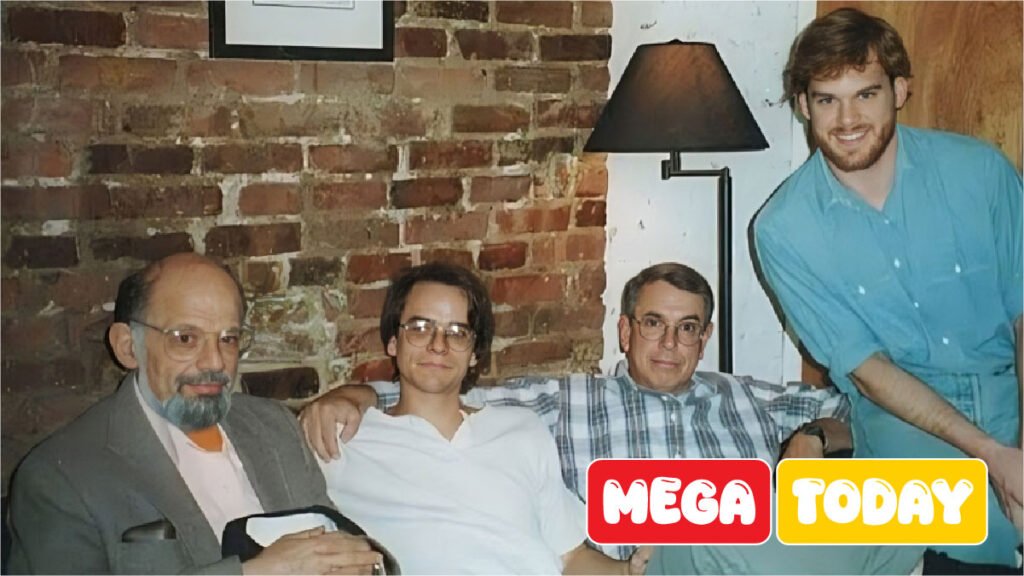
A Legacy of Resilience: Life After William
Following William’s death, the responsibility of raising Michael fell to Janice Hall. As a mental health counselor, Janice was uniquely equipped to help her son navigate the complexities of grief. However, the absence of William Carlyle Hall was a “resonant silence” in their lives.
Also Read: Who Is Toie Roberts? Exclusive Look at Rick Ross’ Daughter
Timeline of Key Events
- 1943: William Carlyle Hall is born.
- 1971: Michael C. Hall is born in Raleigh, NC.
- 1982: William Carlyle Hall passes away at age 39 from prostate cancer.
- 1982–1989: Michael discovers his passion for acting in school plays, partially as a way to process his emotions.
- 2010: Michael C. Hall wins a Golden Globe, acknowledging the influence of his family history in his acceptance speech.
How William Carlyle Hall Influenced “Dexter” and “Six Feet Under”
Critics have often noted that Michael C. Hall has a unique ability to play characters who are intimately acquainted with death. In Six Feet Under, he played David Fisher, a funeral director constantly surrounded by mortality. In Dexter, he played a forensic expert with a complicated relationship with his deceased father, Harry Morgan.
The influence of michael c. hall william carlyle hall is evident in these roles. Michael has admitted that his personal experience with early loss allowed him to tap into the “universal language of grief.” The internal dialogues Dexter has with his father on the show mirror, in a stylized way, the internal dialogues many who lose parents young have as they navigate adulthood without a roadmap.
Pros and Cons of Growing Up in a Legacy of Loss
While no one would choose the early passing of a parent, the experience often produces unique character traits.
Pros:
- Deepened Empathy: Michael’s ability to portray complex emotions is rooted in his lived experience.
- Resilience: The necessity of maturing quickly can lead to a strong sense of self-reliance.
- Perspective: A heightened awareness of the fragility of life often leads to a more focused career path.
Cons:
- Unresolved Grief: The lack of a male role model during teenage years can be a significant emotional hurdle.
- Health Anxiety: Living in the shadow of a parent’s terminal illness can create long-term psychological stress regarding one’s own health.
Frequently Asked Questions (FAQs)
1. How old was Michael C. Hall when his father died?
Michael was 11 years old when William Carlyle Hall passed away in 1982.
2. What was William Carlyle Hall’s profession?
He was a systems analyst for IBM, working in the technology sector in North Carolina.
3. Did William Carlyle Hall have other children?
William and Janice had a daughter who died in infancy before Michael was born. Michael grew up as an only child.
4. How did William Carlyle Hall die?
The william carlyle hall cause of death was prostate cancer. He was 39 years old at the time of his passing.
5. Has Michael C. Hall spoken about his father in interviews?
Yes, Michael has frequently discussed how his father’s death shaped his worldview and his approach to roles that involve themes of mortality and paternal relationships.
Conclusion: The Quiet Strength of William Carlyle Hall
William Carlyle Hall was not a man who sought the limelight, yet his influence is visible in every award-winning performance his son delivers. He represents the “everyman” father—a hardworking professional whose greatest legacy was the emotional and intellectual foundation he provided for his family.
Through the lens of michael c. hall william carlyle hall, we see a story of how love and memory survive long after a person is gone. As we look at Michael’s career in 2026, it is clear that the quiet systems analyst from Raleigh continues to live on through the artistry of his son.
Stay connected with MegaToday—reach out to us for inquiries, feedback, or partnerships.
