

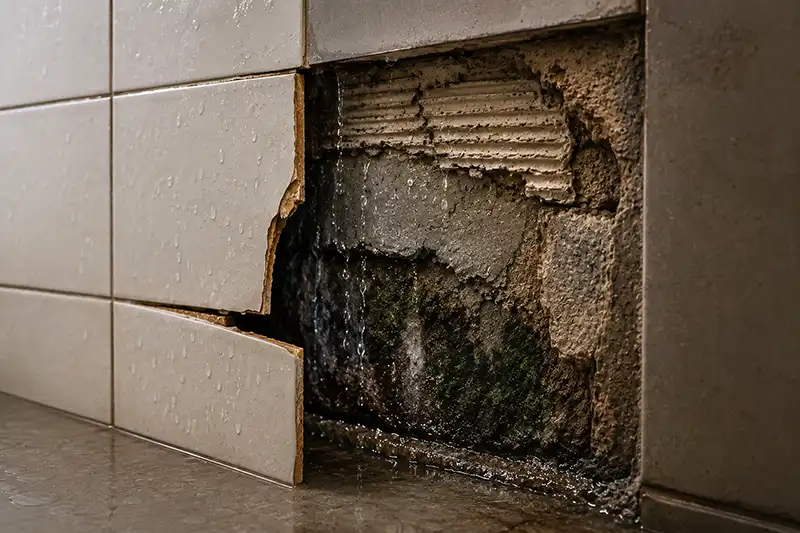
Hidden moisture behind a splashback is one of those household issues that can remain undetected for months or even years. Everything on the surface may appear perfectly normal, yet water can slowly accumulate behind the splashback, affecting surrounding materials and creating conditions for long-term damage. By the time visible signs begin to emerge, the problem may have already progressed beyond a simple repair. Understanding how moisture becomes trapped and recognising the early warning signs can help homeowners avoid costly restoration work and protect the condition of their kitchen surfaces.
How Moisture Gets Behind the Splashback
Kitchen splashbacks are designed to protect walls from water, food splashes, and everyday wear. However, they are not completely immune to moisture intrusion. Small defects in grout lines, ageing sealants, plumbing leaks, and installation issues can all create pathways for water to enter concealed areas behind the splashback. Once moisture finds a way behind the surface, it can remain trapped for extended periods without attracting attention.
Cracked grout is a particularly common cause. Grout naturally wears over time and can develop small gaps that allow water to seep through. Similarly, sealants around sinks, benchtops, and splashback edges can shrink, crack, or separate as they age, reducing their ability to prevent moisture penetration. Plumbing leaks hidden within walls or cabinetry may also contribute to ongoing dampness, even when there are no obvious surface signs.
Poor installation can further increase the risk. Inadequate waterproofing or improperly sealed joints may allow water to reach areas where it was never intended to go, creating conditions for gradual deterioration behind the splashback.
The Impact on Kitchen Surfaces
Moisture trapped behind a splashback rarely stays isolated. Over time, it can affect adjacent materials, including cabinetry, wall substrates, adhesives, grout, and stone surfaces. As water continues to migrate through porous materials, staining and discolouration may begin to appear. Persistent moisture can also weaken adhesives, causing movement or separation in surrounding components.
The issue becomes particularly important when moisture develops near a marble kitchen countertop. Marble is valued for its appearance and durability, but prolonged exposure to moisture can contribute to staining and surface deterioration if protective barriers fail. Moisture-related movement in adjoining materials may also place stress on joints and finishes, affecting the overall appearance of the installation.
In some situations, hidden dampness can encourage mould growth and contribute to unpleasant odours that spread throughout the kitchen. As moisture accumulates, surrounding materials may deteriorate gradually, increasing the scope and cost of future repairs.
Signs of Hidden Moisture Damage
One of the challenges with hidden moisture is that it often develops out of sight. Fortunately, several warning signs may indicate an underlying issue. Discolouration around grout lines, splashback edges, or adjacent surfaces can suggest ongoing moisture exposure. Darkened grout that remains damp-looking for extended periods may indicate water absorption beneath the visible surface.
Mould growth is another common indicator. Small patches appearing along grout, sealants, or nearby walls may signal that moisture is accumulating behind the splashback. Loose panels, hollow sounds when tapped, peeling finishes, and deteriorating sealants can also point to hidden water intrusion.
Many homeowners first notice a persistent musty odour. This smell often develops before visible damage becomes obvious and may indicate moisture trapped within concealed spaces.
Why Early Detection Matters
Addressing moisture problems early can significantly reduce the extent of damage. Water intrusion rarely resolves itself and often worsens when left untreated. What begins as a small leak or failed seal can gradually affect larger areas of the kitchen structure.
Hidden moisture creates favourable conditions for mould growth and material deterioration. Over time, prolonged exposure may weaken wall substrates, damage finishes, and increase the likelihood of more extensive restoration work. Early detection allows repairs to be targeted before structural components become compromised.
Prompt action also helps preserve the appearance and longevity of stone surfaces. Identifying moisture sources before staining or movement develops can prevent unnecessary damage and maintain the condition of valuable kitchen features.
Professional Assessment and Repairs
When signs of hidden moisture appear, professional assessment is often the most reliable way to determine the source and extent of the problem. Moisture meters and specialised inspection techniques can identify damp areas that may not be visible from the surface.
Once the source has been identified, repairs may involve fixing plumbing leaks, replacing damaged sealants, repairing grout lines, or addressing waterproofing deficiencies. In situations where moisture has affected surrounding surfaces, restoration work may also be necessary to repair staining, deterioration, or adhesive failure.
For stone surfaces, professional cleaning, refinishing, and resealing can help restore appearance while improving resistance to future moisture exposure. Addressing both the source of the water and the resulting damage is essential to prevent recurring issues.
Preventing Future Problems
Preventing hidden moisture damage requires ongoing maintenance and regular inspections. Sealants around sinks, splashbacks, and benchtops should be checked periodically for cracks or separation. Grout lines should also be inspected for signs of wear and repaired when necessary.
Plumbing fixtures, taps, and connections should be monitored for leaks, even minor ones. Promptly addressing water issues helps prevent moisture from reaching concealed areas where damage can develop unnoticed.
Regular maintenance not only reduces the likelihood of hidden water intrusion but also helps preserve the appearance and durability of kitchen surfaces over the long term.
Expert Support for Lasting Protection
Hidden moisture behind a splashback can cause significant long-term problems if left unresolved. Early detection, proper repairs, and preventative maintenance all play a vital role in protecting kitchen surfaces from avoidable damage. Homeowners concerned about moisture-related issues can benefit from professional guidance regarding marble kitchen countertop inspections, repairs, restoration, and ongoing protection to help maintain both appearance and performance for years to come.
FAQs
Can moisture really build up behind a kitchen splashback?
Yes. Water can enter through cracked grout, failed sealants, plumbing leaks, or installation defects and become trapped behind the splashback.
What are the first signs of hidden moisture damage?
Common signs include discolouration, mould growth, musty odours, loose splashback panels, and deteriorating grout or sealants.
Can hidden moisture affect stone benchtops?
Yes. Moisture can contribute to staining, deterioration of surrounding materials, and movement that may affect adjacent stone surfaces.
Is mould always present when moisture is trapped?
Not always, but prolonged moisture significantly increases the likelihood of mould growth behind walls, splashbacks, and other concealed areas.
How can professionals detect hidden moisture?
Specialists often use moisture meters, visual inspections, and diagnostic tools to locate moisture behind surfaces without extensive demolition.
How often should splashback sealants be checked?
It is generally advisable to inspect sealants and grout lines regularly as part of routine kitchen maintenance to identify wear before moisture problems develop.
If you want, I can next standardise all these blogs into one SEO “guest post cluster pack” with internal linking + keyword map + anchor distribution plan so they perform stronger together.
