

Every home has fixtures. These include things like sinks, faucets, lights, and ceiling fans. Over time, these items wear out or stop working well. Some may still work, but they look old or don’t match your style anymore.
So, when is the right time to replace or install new fixtures? Many homeowners ask this question. The answer depends on a few simple things—condition, safety, comfort, and design.
Groups like the U.S. Department of Energy often stress the importance of efficient home systems. New fixtures can help improve both comfort and energy use.
What Is Fixture Installation and Why Does It Matter?
Simple definition of fixtures in a home
Fixtures are items that are fixed in place. You don’t move them around like furniture. Common examples include sinks, toilets, light fixtures, and faucets.
These items are part of your home’s daily use. You rely on them for water, light, and comfort.
Common types of fixtures people install
There are many types of fixtures in a home:
- Plumbing fixtures like sinks and showers
- Electrical fixtures like lights and fans
- Kitchen fixtures like faucets and garbage disposals
Each one plays a role in how your home works.
Why proper installation is important
Good fixture installation helps fixtures last longer. It also keeps your home safe. Poor installation can lead to leaks, electrical problems, or damage.
That’s why proper setup matters, whether you do it yourself or hire help.
Types of Fixtures Commonly Installed in Homes
Bathroom fixtures like sinks and showers
Bathrooms have many fixtures. These include sinks, toilets, bathtubs, and showers. They are used every day, so they wear out faster.
Leaks or low water pressure are signs it may be time for a change.
Kitchen fixtures like faucets and lighting
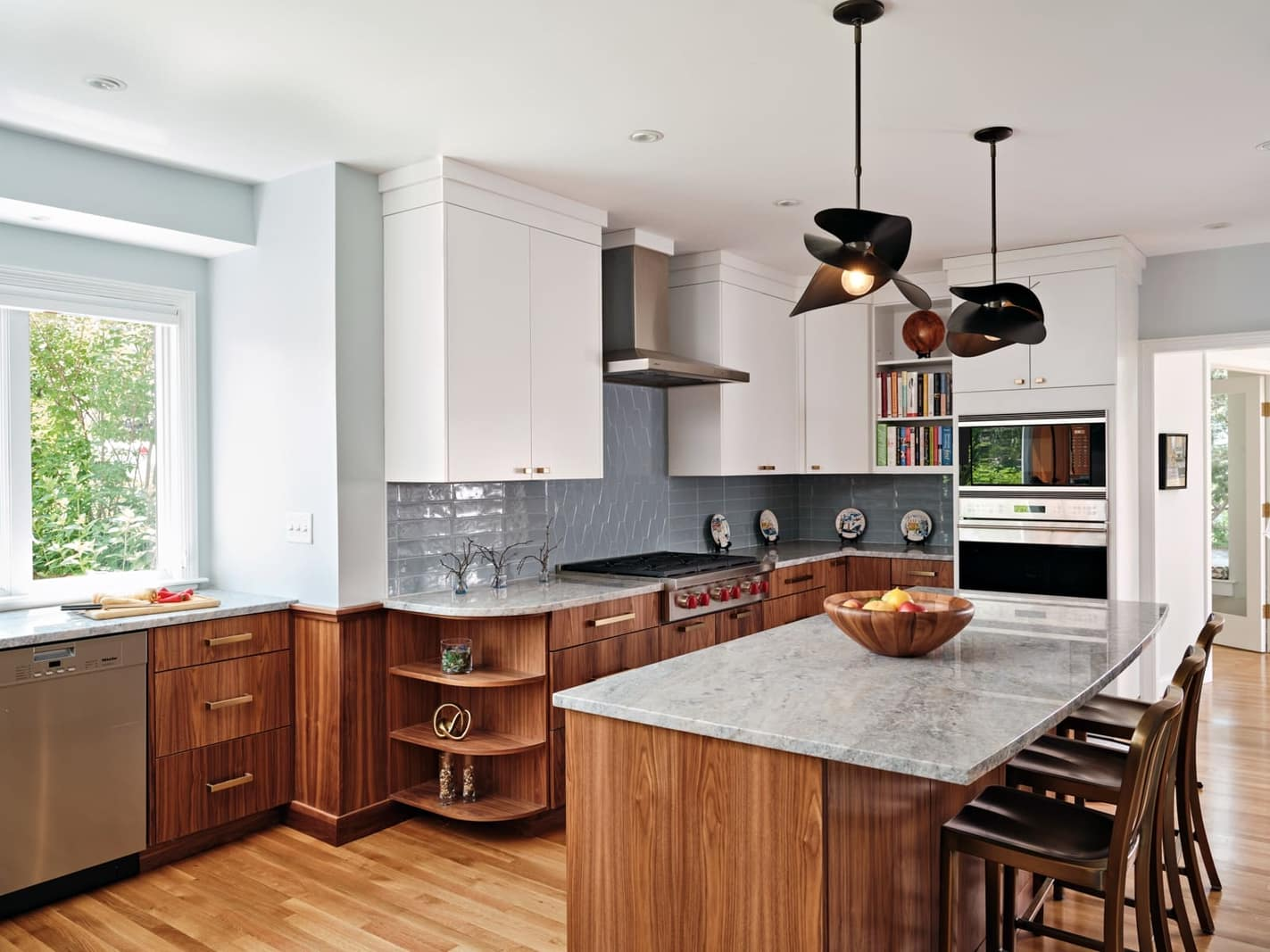
In the kitchen, faucets and lights are key. A faulty faucet can waste water. Old lighting can make the space feel dull.
Upgrading these can improve both function and style.
Electrical fixtures like ceiling fans and lights
Lighting fixtures and ceiling fans help control comfort. Old ones may use more energy or stop working well.
Programs like Energy Star promote modern fixtures that use less power and last longer.
Why Homeowners Upgrade or Install New Fixtures
Improving function and convenience
Sometimes fixtures stop working as they should. A faucet may drip. A light may flicker. These small issues can become big problems over time.
New fixtures can fix these issues and make daily life easier.
Enhancing home style and design
Style matters too. Old fixtures can make a home look outdated. New designs can refresh your space.
Simple changes like modern lighting or a sleek faucet can make a big difference.
Replacing old or damaged fixtures
Damage is a clear sign. Cracks, rust, or leaks mean it’s time to replace a fixture.
Ignoring damage can lead to bigger repair costs later.
Benefits of Professional Fixture Installation
Safety and proper setup
Safety is a top reason to choose professional installation. Electrical and plumbing work can be risky if done wrong.
Experts follow safety rules set by groups like U.S. Environmental Protection Agency to ensure safe and clean setups.
Saving time and avoiding mistakes
Installing fixtures takes time and skill. A professional can do the job faster and more accurately.
This helps avoid mistakes that could cost more to fix later.
Long-term performance and durability
When installed correctly, fixtures last longer. You won’t need repairs as often.
This means better value over time.
Things to Consider Before Installing Fixtures
Choosing the right fixture type and size
Not all fixtures fit every space. Size and design matter. A large fixture in a small room can look out of place.
Always match the fixture to your space.
Budget and installation costs
Cost is another factor. Some fixtures are affordable, while others are more expensive.
You should also think about installation costs, not just the price of the fixture.
Matching fixtures with home design
Try to keep a consistent style. Mixing too many styles can make your home look messy.
Choose fixtures that match your overall design.
Fixture Installation vs DIY Projects
When DIY can work
Some small jobs are easy to do yourself. Replacing a light bulb or simple faucet can be a DIY task.
If you have basic tools and skills, you can handle small upgrades.
Risks of incorrect installation
DIY is not always safe. Wrong installation can cause leaks or electrical issues.
These problems can damage your home or even cause injury.
When to call a professional
Call a professional for complex jobs. This includes wiring, plumbing changes, or large fixture installs.
It’s better to be safe than sorry.
Is Fixture Installation Right for Your Home Project?
Signs it’s time to upgrade fixtures
Here are clear signs:
- Frequent leaks or repairs
- Outdated look
- Poor performance
- High energy or water bills
If you notice these, it may be time for new fixtures.
Planning your installation project
Start with a plan. Decide what fixtures you need and set a budget.
Think about your goals—better function, better style, or both.
Tips for best results
- Choose quality fixtures
- Check compatibility with your home
- Follow safety guidelines
- Don’t rush the process
These simple steps can help you get the best outcome.
Conclusion
Knowing when to replace or install new fixtures is key to keeping your home in good shape. Fixtures may seem small, but they play a big role in daily life.
If your fixtures are damaged, outdated, or not working well, it’s time to consider an upgrade. New fixtures can improve comfort, save energy, and enhance your home’s look.
Experts, including the U.S. Department of Energy, support upgrading to efficient systems for better performance and savings.
In the end, the right time to install new fixtures depends on your needs. Pay attention to signs, plan carefully, and focus on quality.
A simple upgrade today can make your home safer, more efficient, and more enjoyable tomorrow.
