

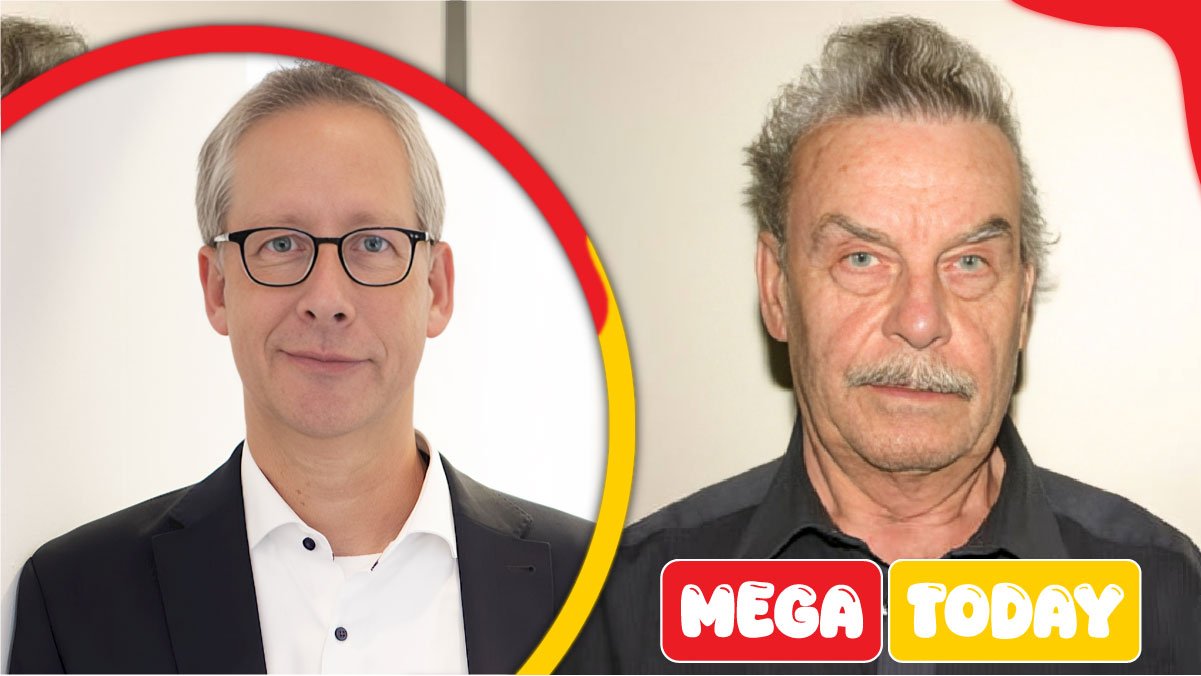
Stefan Fritzl is the second child of Elisabeth Fritzl, born during her 24-year captivity in an underground bunker created by her father, Josef Fritzl. Born in 1990, Stefan spent his first 18 years in total isolation before being rescued in 2008. Today, he lives under a new identity in Austria.
The Shadow of Amstetten: Understanding Stefan Fritzl
The name Fritzl is synonymous with one of the most harrowing criminal cases in modern history. However, behind the sensationalist headlines of the “House of Horrors” lies a human story of survival, resilience, and the difficult path to normalcy. At the heart of this narrative is Stefan Fritzl, a young man who spent the first eighteen years of his life without ever seeing the sun, breathing fresh air, or interacting with a world beyond reinforced concrete walls.
As of 2026, Stefan and his family have spent nearly two decades reclaiming their lives. While the world remembers the crimes of Josef Fritzl, Stefan’s journey is defined not by the basement, but by what happened after the doors were opened. This article explores the life of Stefan, his relationship with his mother Elisabeth Fritzl, and how he has navigated the complexities of a world he was never supposed to know.
Early Life: The Reality of the Stefan Fritzl Basement Years
Born in 1990, Stefan was the second of seven children born to Elisabeth Fritzl during her captivity. Unlike three of his siblings who were taken “upstairs” to be raised by their stefan fritzl grandparents, Josef and Rosemarie Fritzl, Stefan was one of the three children—alongside Kerstin Fritzl and Felix Fritzl—who remained trapped in the subterranean dungeon.
The conditions were claustrophobic and biologically taxing. The stefan fritzl basement experience was characterized by artificial light, recycled air, and a total lack of spatial depth. Despite these horrific circumstances, accounts from investigators and medical professionals in the years following the rescue highlighted the incredible efforts Elisabeth Fritzl made to educate and nurture her children. Stefan learned to read and write within those walls, showing a remarkable intellectual curiosity that would later help him adapt to the outside world.
The Turning Point: The 2008 Rescue
The world changed for Stefan in April 2008. When his older sister, Kerstin Fritzl, fell critically ill, Josef Fritzl was forced to take her to a hospital. The subsequent investigation collapsed the web of lies Josef had spun for decades. On April 26, 2008, Stefan walked out of the cellar and into a reality he had only seen on a small television screen.
Stefan Fritzl: Profile and Key Facts (2026 Update)
| Feature | Details |
| Full Name | Stefan Fritzl (Name changed for privacy) |
| Year of Birth | 1990 |
| Current Age | 36 (As of 2026) |
| Mother | Elisabeth Fritzl |
| Father/Grandfather | Josef Fritzl |
| Siblings (Basement) | Kerstin, Felix, Michael (deceased) |
| Siblings (Upstairs) | Lisa, Monika, Alexander |
| Status | Living under a protected identity in Upper Austria |
| Known For | Survivor of the Amstetten captivity case |
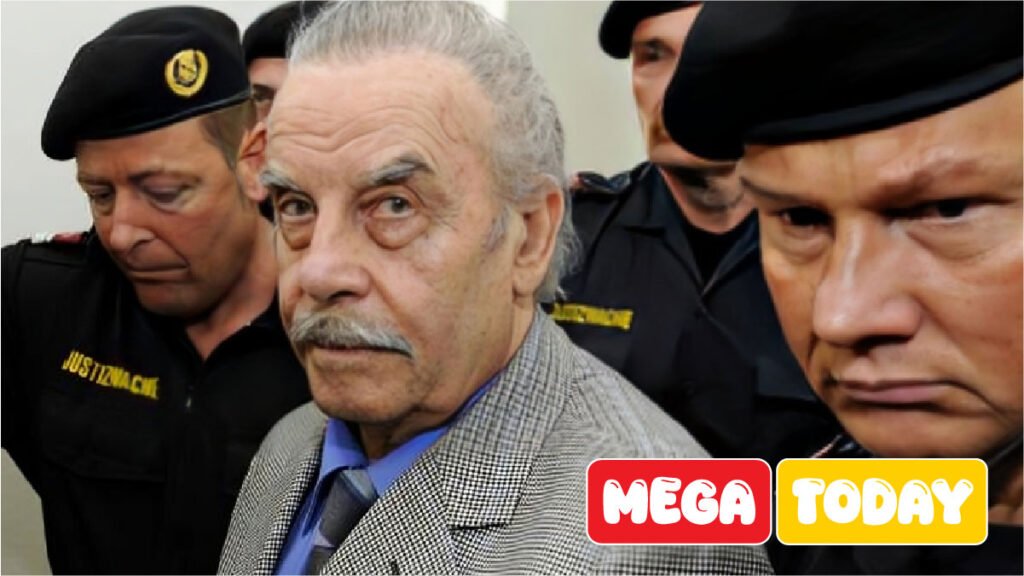
Life After the Bunker: Stefan Fritzl Now
Transitioning from a windowless cell to the vastness of the Austrian countryside was a monumental task. In the immediate aftermath, Stefan Fritzl and his siblings underwent intensive psychological and physical therapy at the Mauer-Amstetten clinic. Doctors noted that Stefan initially struggled with spatial awareness; having lived in rooms with low ceilings, the open sky was both terrifying and mesmerizing.
By 2026, Stefan has successfully integrated into society. He, along with Elisabeth Fritzl and his brothers and sisters, resides in a secluded village in Upper Austria, often referred to by the media as “Village X.” The family lives in a home equipped with advanced security to deter paparazzi and curiosity-seekers.
Also Read: Who Is Kiley Casciano? Exclusive Look at Matthew Davis’s Wife
Identity and Privacy
There is no stefan fritzl instagram or public social media presence. This is a deliberate choice supported by the Austrian government. Stefan and his siblings were granted new identities to ensure they could find employment, form friendships, and live without the stigma of their biological father’s crimes. Reports suggest Stefan has developed a keen interest in technology and sailing—a hobby that offers the ultimate contrast to his years of confinement.
Family Bonds: Kerstin, Felix, and the “Upstairs” Siblings
The dynamic between the stefan fritzl geschwister (siblings) is unique. There were essentially two sets of children: the “downstairs” trio (Kerstin, Stefan, Felix) and the “upstairs” trio (Lisa Fritzl, Monika, and Alexander).
- Kerstin Fritzl and Stefan Fritzl: Having shared the smallest spaces for nearly two decades, Stefan and Kerstin share an unbreakable bond. After her recovery from organ failure in 2008, they supported each other through the various stages of trauma recovery.
- The Reconciliation: One of the most touching aspects of their post-rescue life was the meeting between the basement children and the siblings raised by their stefan fritzl grandparents. Despite the strange circumstances, the six siblings—Stefan, Kerstin, Felix, Lisa, Monika, and Alexander—eventually formed a cohesive family unit, united by their shared mother, Elisabeth.
The Psychological Journey of a Survivor
Experts in trauma, such as those cited by The Guardian and Der Spiegel in their retrospective analyses, point to Stefan as a “miracle of resilience.” While many expected the children to be non-verbal or severely developmentally delayed, the “basement children” showed a surprising capacity for empathy and learning.
Pros of their current life:
- Total anonymity and protection by the state.
- Strong family support system led by Elisabeth.
- Access to world-class psychological healthcare.
Challenges:
- Lingering health issues related to Vitamin D deficiency and restricted movement during growth years.
- The permanent psychological scar of their origin story.
- The ongoing media interest whenever Josef Fritzl appears in the news (such as his recent move to a regular prison facility).
Timeline of Significant Events
- 1984: Elisabeth Fritzl is imprisoned.
- 1990: Stefan Fritzl is born in the basement.
- 2008: The rescue of the Fritzl family and the arrest of Josef Fritzl.
- 2009: Josef Fritzl is sentenced to life imprisonment; the family moves to their secret location.
- 2019: Reports emerge of the siblings living independent lives, with Stefan pursuing vocational training.
- 2024–2025: Legal discussions regarding Josef Fritzl’s health and potential release to a nursing home bring the family back into the periphery of public discussion.
- 2026: Stefan continues to live a private life, successfully maintaining his anonymity.
FAQs: Common Questions About Stefan Fritzl
1. Does Stefan Fritzl still see his father?
No. Stefan and all of his siblings have had no contact with Josef Fritzl since the day of their rescue. The family has consistently refused any attempts at communication from him.
2. Where is Stefan Fritzl now?
As of 2026, Stefan lives in a private residence in Upper Austria. He is a working professional and lives under a government-protected identity to maintain his privacy.
3. What happened to Stefan’s brother Michael?
Michael was Stefan’s twin brother who died shortly after birth in the basement due to respiratory complications and a lack of medical care. This tragedy was a key component of the charges brought against Josef Fritzl.
4. Can Stefan Fritzl walk normally?
Initial reports in 2008 suggested Stefan had a “hunched” gait due to the low ceilings of the basement (some parts were less than 5’9″ high). However, years of physical therapy have corrected these issues, and he leads a physically active life today.
5. Is there a documentary featuring Stefan Fritzl?
While there are many documentaries about the case (such as those by BBC or A&E), Stefan has never appeared in one. He and his mother, Elizabeth Fritzl, have turned down multimillion-dollar interview offers to protect their healing process.
Final Thoughts: A Legacy of Survival
The story of Stefan Fritzl is no longer a story of crime; it is a story of the human spirit’s ability to thrive in the aftermath of darkness. While josef fritzl stefan fritzl will always be linked by blood and tragedy, Stefan has successfully severed the psychological ties to his captor. In 2026, he stands as a testament to the fact that one’s beginning does not have to dictate one’s end. Through the love of his mother, Elisabeth Fritzl, and the solidarity of his stefan fritzl hermanos (brothers/siblings), he has found the light he was denied for so long.
Stay connected with MegaToday—reach out to us for inquiries, feedback, or partnerships.
