

Rodents are small, but they can cause big problems. If Rats or Mice get into your home, they can damage property and spread disease. Many homeowners don’t notice the problem until it gets serious.
This is where rodent proofing comes in. Rodent proofing means sealing your home and taking steps to keep rodents out before they cause harm. It is one of the most effective ways to protect both your home and your health.
What Is Rodent Proofing a Home?
Why It Is Important for Health and Safety
Rodent proofing is the process of blocking entry points and removing things that attract rodents. It helps stop infestations before they start.
Rodents can carry harmful diseases like Hantavirus and Salmonella. These can spread through droppings, urine, or contaminated food.
Keeping rodents out protects your family from these risks.
How Rodents Enter Your House
Rodents can squeeze through very small openings. A mouse can fit through a hole the size of a coin.
They often enter through:
- Cracks in walls
- Gaps around doors
- Openings near pipes
- Roof vents
Once inside, they look for food, water, and shelter.
Signs Your Home Needs Rodent Proofing
Droppings, Noises, and Damage
There are clear signs that rodents may already be inside your home:
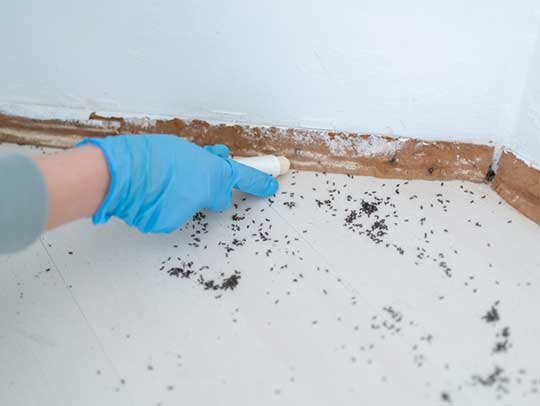
- Small black droppings
- Scratching sounds in walls or ceilings
- Chewed wires or furniture
These signs should not be ignored.
Hidden Areas Where Rodents Stay
Rodents like dark and quiet spaces. Common hiding spots include:
- Attics
- Basements
- Behind appliances
- Inside walls
These areas are often missed during regular cleaning.
Common Entry Points You Should Seal
Gaps in Walls, Doors, and Windows
Small gaps around doors and windows are easy entry points.
Even tiny cracks in walls can let rodents inside. Sealing these gaps is a key step in rodent proofing.
Roof, Vents, and Plumbing Openings
Rodents can also enter from above or below.
Check areas like:
- Roof edges
- Air vents
- Spaces around pipes
Covering these openings helps block access.
Step-by-Step Guide to Rodent Proofing
Inspecting Your Home for Weak Spots
Start by checking your home carefully. Look for:
- Holes or cracks
- Signs of chewing
- Areas with moisture or food waste
A full inspection helps you find all possible entry points.
Sealing Holes and Cracks Effectively
Once you find gaps, seal them using strong materials.
Make sure all openings are fully covered. Even small holes should be fixed to prevent entry.
Best Materials for Rodent Proofing
Steel Wool, Mesh, and Sealants
Some materials work better than others for rodent proofing:
- Steel wool for small holes
- Metal mesh for vents
- Caulk or sealant for cracks
These materials are hard for rodents to chew through.
Safe and Long-Lasting Options
Choose materials that last a long time and are safe for your home.
Avoid using soft materials that rodents can easily damage.
Indoor vs Outdoor Rodent Prevention
Keeping the Inside of Your Home Safe
Inside your home, focus on cleanliness:
- Store food in sealed containers
- Clean up crumbs and spills
- Take out trash regularly
These steps remove food sources that attract rodents.
Outdoor Cleanup and Maintenance Tips
Outside your home, keep the area tidy:
- Trim plants near walls
- Remove piles of wood or debris
- Keep garbage bins closed
A clean outdoor space reduces the chances of rodents coming near your home.
DIY vs Professional Rodent Proofing
When You Can Do It Yourself
Simple tasks like sealing small holes or cleaning up can be done on your own.
DIY rodent proofing works well for minor issues.
When to Call a Pest Control Expert
If the problem is large or keeps coming back, it’s best to call a professional.
Experts have the tools and experience to handle serious infestations.
Cost of Rodent Proofing a Home
Average Price Range
The cost of rodent proofing depends on the size of your home and the level of work needed.
Simple fixes are usually affordable, while larger jobs may cost more.
Factors That Affect Cost
Costs can vary based on:
- Number of entry points
- Materials used
- Labor required
Investing in rodent proofing can save money in the long run.
Long-Term Tips to Keep Rodents Away
Regular Maintenance and Inspections
Check your home regularly for new gaps or signs of rodents.
Fixing problems early prevents bigger issues later.
Simple Habits That Prevent Infestations
Good habits can make a big difference:
- Keep your home clean
- Store food properly
- Seal new cracks quickly
These steps help keep rodents away for good.
Conclusion
Rodent proofing is one of the best ways to protect your home from damage and health risks. By sealing entry points and keeping your space clean, you can stop rodents before they become a problem.
Rats and mice may be small, but the harm they cause can be serious. From chewing wires to spreading disease, the risks are real.
The good news is that rodent proofing is simple and effective. With regular care and the right steps, you can keep your home safe, clean, and pest-free for the long term.
