

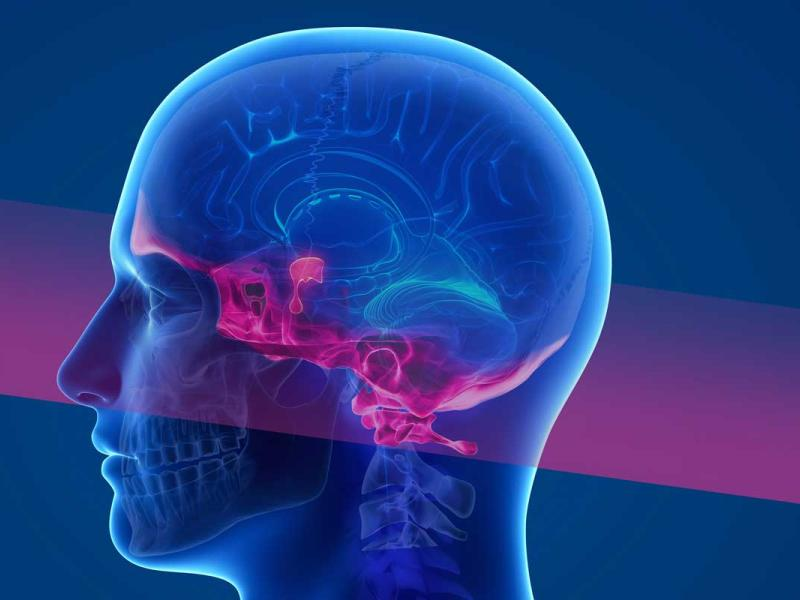
Choosing the right treatment for brain or sinus conditions can feel scary. The skull base is a sensitive area. It sits at the bottom of the skull and supports the brain. It also connects nerves, blood vessels, and the sinuses.
When something goes wrong in this area, doctors may suggest skull base treatment. This can include surgery or other medical options. These treatments help manage serious conditions like tumors, infections, or fluid leaks.
Modern care uses advanced tools like Endoscopic Surgery and imaging scans such as Magnetic Resonance Imaging. These help doctors treat patients safely and with better results.
Before making a decision, it is important to understand your options. This guide explains what you should know before choosing a skull base treatment.
Understanding Skull Base Treatments
What Is the Skull Base and Why It Matters
The skull base is the bottom part of your skull. It holds and protects the brain. It also has small openings for nerves and blood vessels.
This area is very delicate. Even small problems can affect breathing, vision, or movement. That is why treatment must be planned carefully.
What Conditions Require Skull Base Treatment
Several conditions may need skull base treatment. These include tumors, infections, and fluid leaks.
One common example is a tumor in the pituitary gland, known as Pituitary Tumor. Other cases may involve sinus cancers or nerve issues.
Each condition needs a different approach based on its size, type, and location.
How These Treatments Have Improved Over Time
In the past, skull base surgery required large openings in the skull. This made recovery slow and risky.
Today, doctors use advanced tools and techniques. Procedures like Endoscopic Surgery allow treatment through the nose. This reduces pain and speeds up healing.
Technology has made these treatments safer and more effective.
Common Conditions Treated with Skull Base Procedures
Brain Tumors and Growths
Tumors near the skull base can press on nerves and cause problems. These may affect vision, balance, or memory.
Doctors often use imaging tools like Magnetic Resonance Imaging to detect these growths early.
Treatment depends on the size and type of tumor.
Pituitary Gland Disorders
The pituitary gland controls hormones in the body. Problems here can affect growth, mood, and energy levels.
Conditions like Pituitary Tumor are often treated with minimally invasive surgery.
Early treatment helps restore balance in the body.
Nerve and Blood Vessel Issues
The skull base has many important nerves and vessels. Problems in this area can cause pain, numbness, or weakness.
Some conditions may involve abnormal blood vessels, which require careful treatment.
Types of Skull Base Treatment Options
Traditional Open Surgery
Open surgery involves making a larger opening in the skull. This gives doctors direct access to the problem area.
It may be needed for complex or large conditions. However, it usually requires longer recovery time.
Minimally Invasive Endoscopic Surgery
Minimally invasive methods like Endoscopic Surgery use small tools and cameras.
Doctors can reach the skull base through the nose. This reduces damage to surrounding tissue and helps patients recover faster.
Non-Surgical Treatment Methods
Not all cases need surgery. Some conditions can be treated with medication or radiation.
Doctors decide the best option based on the patient’s health and condition.
How Skull Base Surgery Works
Role of Neurosurgeons and ENT Specialists
Skull base treatment often involves a team. This includes neurosurgeons and ear, nose, and throat specialists.
They work together to plan and perform the procedure safely.
Tools and Technology Used
Modern tools make surgery more precise. Imaging methods like Magnetic Resonance Imaging help doctors see the problem clearly.
Advanced cameras and instruments improve accuracy during surgery.
Steps Involved in the Procedure
The procedure usually starts with imaging and planning. Then the surgery is performed using the chosen method.
After surgery, patients are monitored closely to ensure safe recovery.
Benefits of Modern Skull Base Treatments
Reduced Recovery Time
Minimally invasive methods often lead to faster healing. Patients can return to normal life sooner.
This is a major benefit compared to older surgical methods.
Lower Risk of Complications
Modern techniques reduce the risk of damage to surrounding areas. This lowers the chance of complications.
Careful planning also improves safety.
Improved Patient Outcomes
With better tools and techniques, patients often see better results. Symptoms improve, and quality of life increases.
Early treatment also leads to better outcomes.
Risks and Considerations to Know
Possible Side Effects
Like any medical procedure, skull base treatment has risks. These may include infection, bleeding, or nerve damage.
Doctors explain these risks before treatment.
Recovery Challenges
Recovery may take time, especially after open surgery. Patients may need rest and follow-up care.
Support from family and medical teams helps during this time.
When Surgery May Not Be Needed
In some cases, surgery is not required. Doctors may suggest monitoring or non-surgical treatments.
This depends on the condition and overall health.
Recovery and Aftercare
What to Expect After Treatment
After treatment, patients may stay in the hospital for observation. Doctors check for any complications.
Recovery plans are based on the type of treatment.
Healing Time and Follow-Up Care
Healing time varies from person to person. Follow-up visits are important to track progress.
Imaging tests like Magnetic Resonance Imaging may be used to check results.
Tips for a Smooth Recovery
Patients should follow medical advice carefully. Rest, proper nutrition, and regular check-ups support healing.
Avoiding stress and heavy activity also helps.
Choosing the Right Treatment Approach
Factors That Affect Treatment Decisions
Doctors consider many factors, including age, health, and condition type.
Each case is unique, so treatment plans are personalized.
Importance of Early Diagnosis
Early diagnosis makes treatment easier and more effective. It reduces risks and improves recovery.
Regular check-ups can help detect problems early.
Working with a Skilled Medical Team
Choosing an experienced medical team is very important. Skilled doctors ensure better care and outcomes.
Communication with your team helps you feel confident and informed.
Conclusion
Choosing a skull base treatment for brain or sinus conditions is a big decision. It requires understanding your condition, treatment options, and possible risks.
With modern tools like Endoscopic Surgery and imaging methods such as Magnetic Resonance Imaging, treatments are now safer and more effective than ever.
The key is to stay informed, ask questions, and work closely with your medical team. Each step you take helps ensure the best outcome.
In the end, the right treatment can improve your health, reduce symptoms, and help you return to your daily life with confidence.
